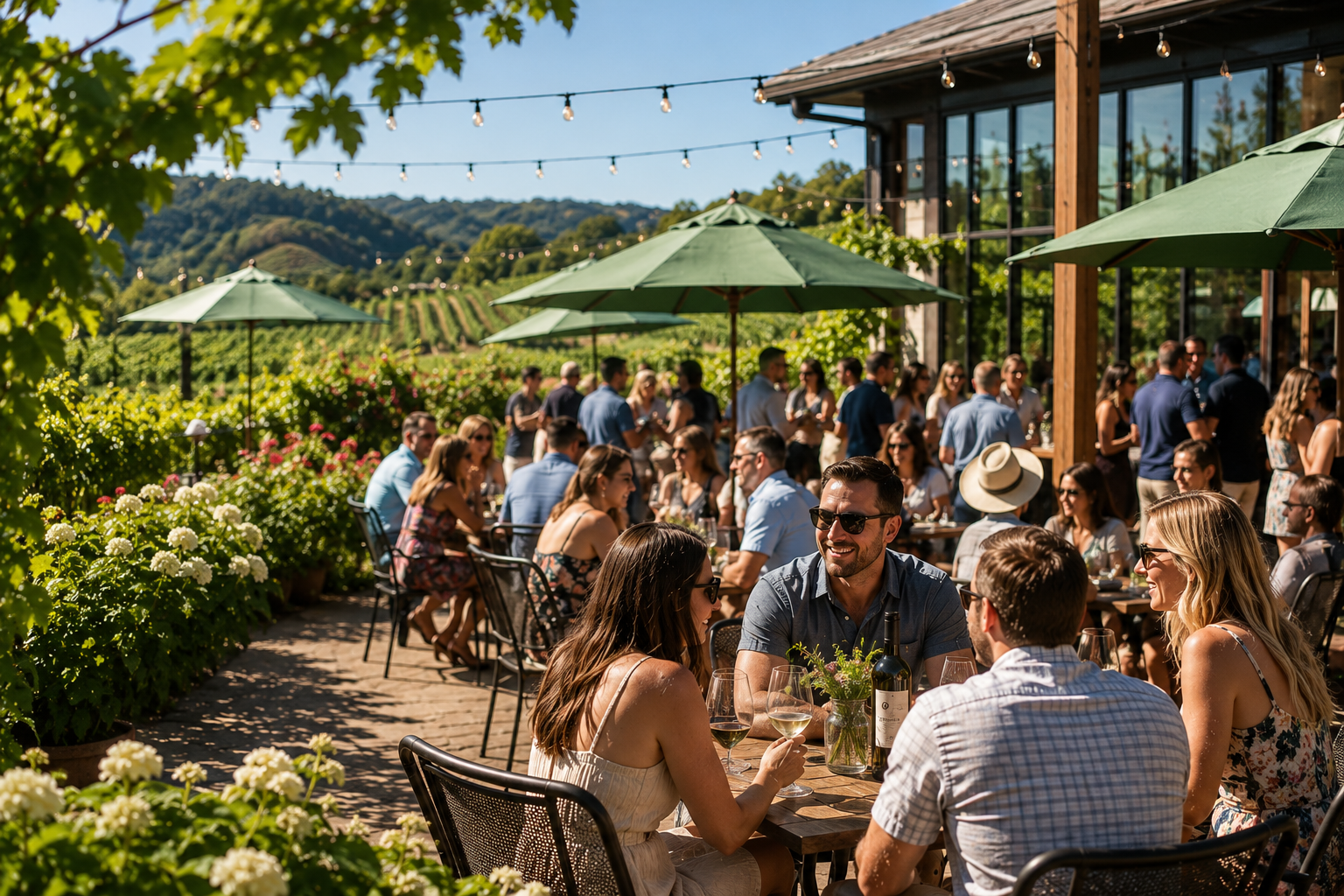
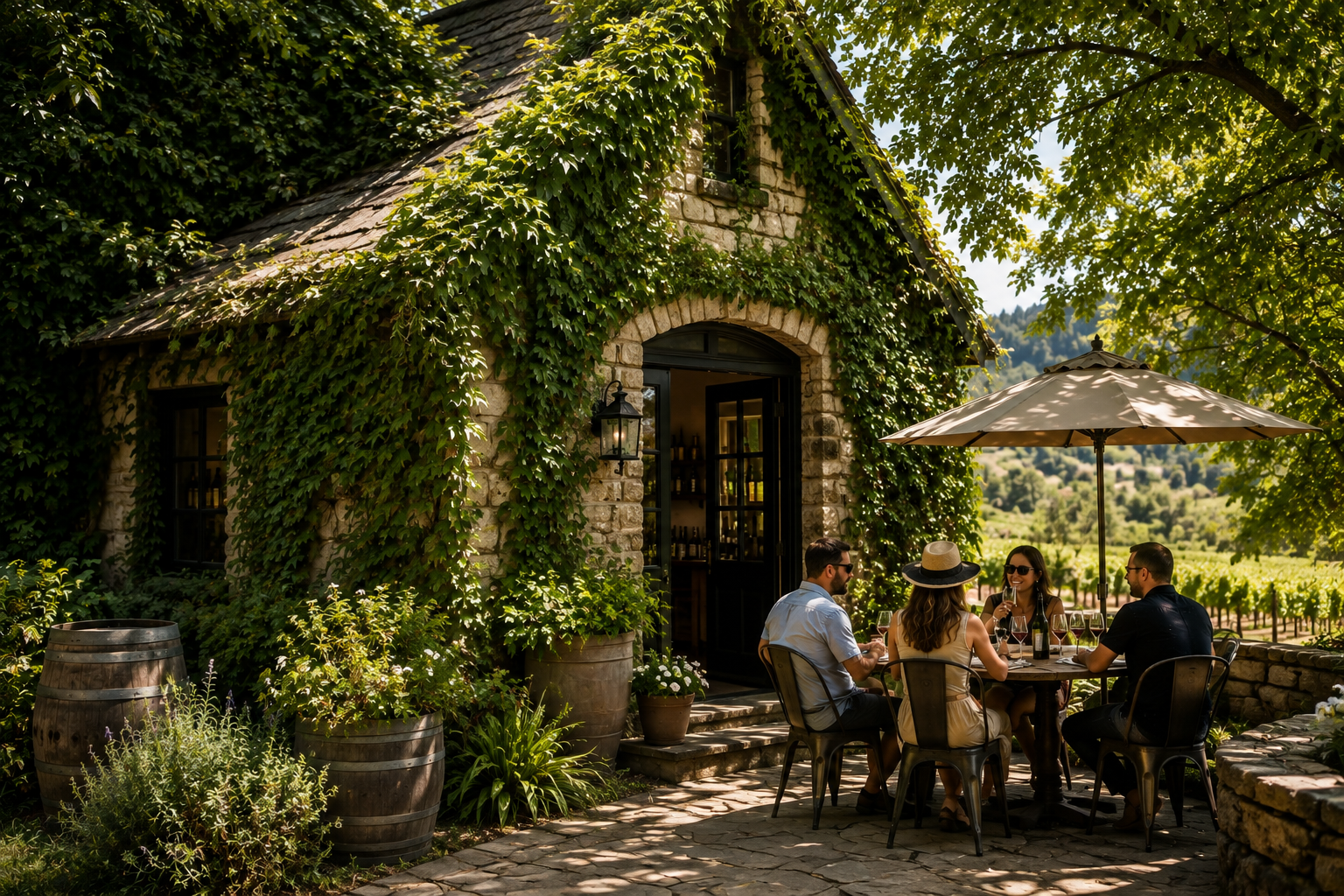
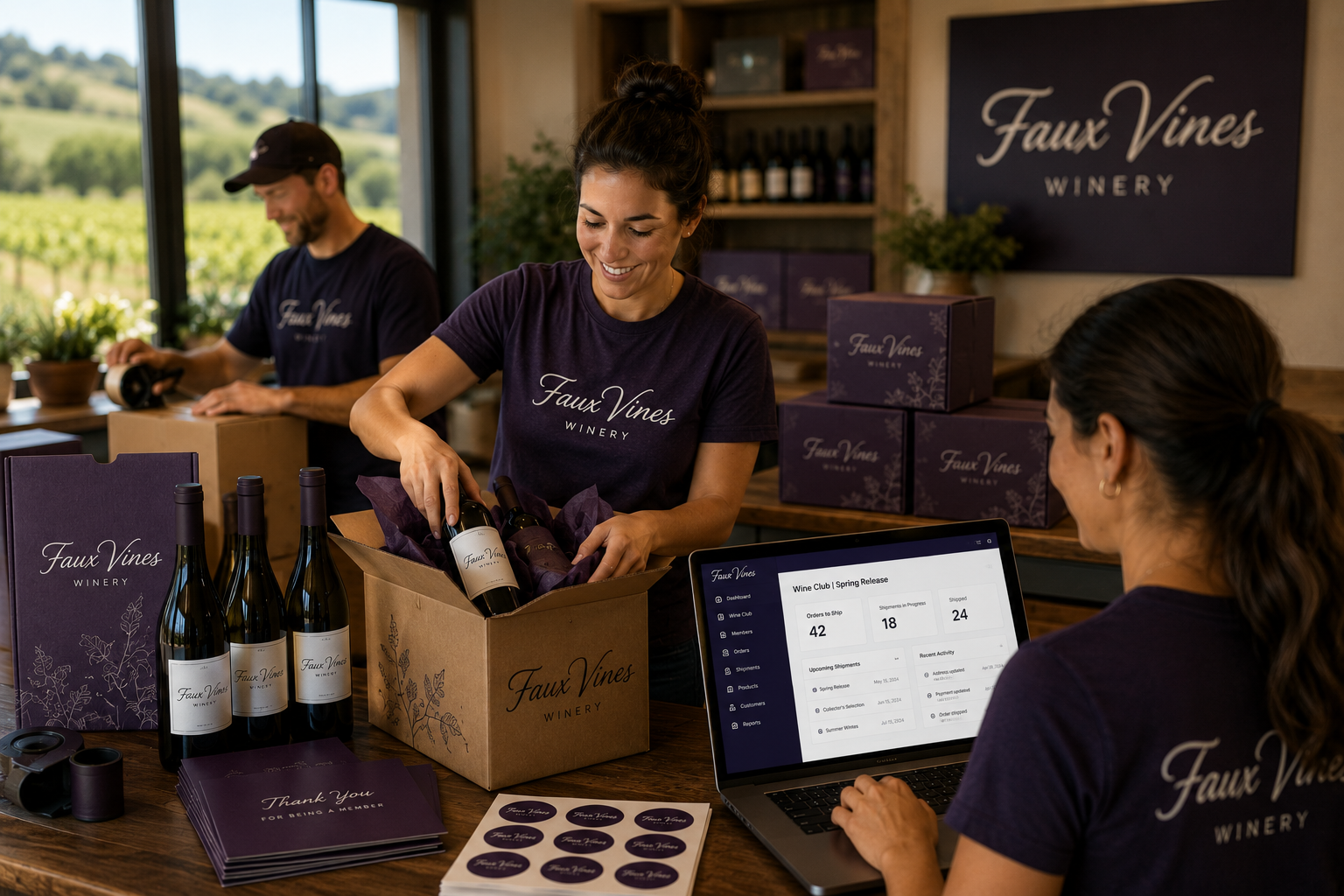
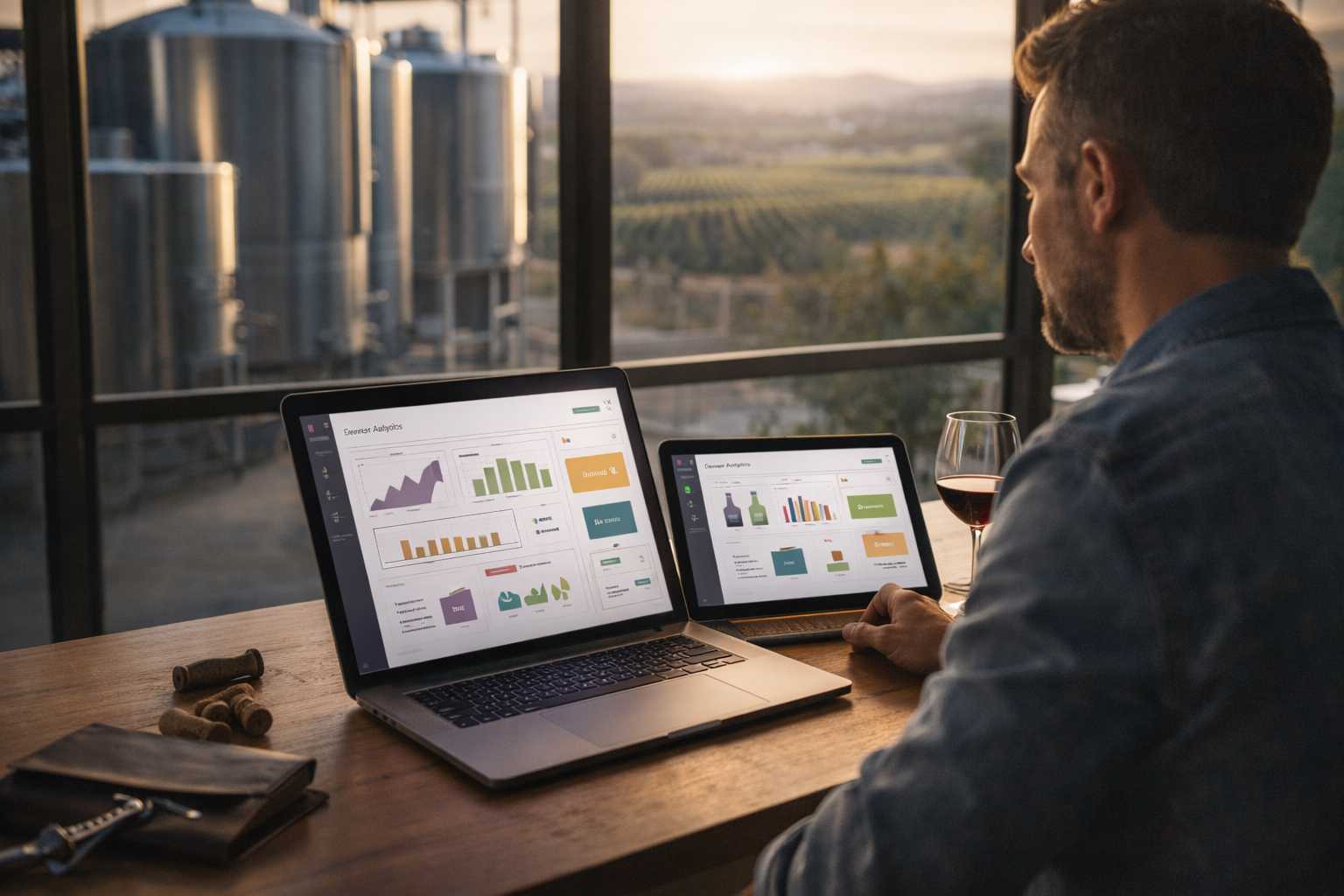
When most wineries first introduce reservations, they often start with a familiar booking platform. It's quick to implement, affordable, and gives guests an easy way to schedule a tasting.

For a while, that works, but as your winery grows, reservations become much more than filling a calendar. They're connected to staffing decisions, wine club experiences, customer relationships, events, and ultimately revenue. That's where the difference between a generic booking tool and winery-specific reservation software becomes clear.

The best reservation system shouldn't simply tell you who's arriving at 2:00 p.m, it should help your entire winery operate more efficiently while creating exceptional guest experiences.

Generic Booking Tools Work...Until They Don't

Most general reservation platforms do a good job of handling the basics:

  • Online booking
  • Calendar management
  • Confirmation emails
  • Deposit collection
  • Appointment reminders
  • Basic availability management

For restaurants, salons, or service businesses, those features may be enough.

Wineries, however, operate differently.

Every reservation has the potential to become a wine club member, a repeat visitor, a lifelong customer or whether the customer is of legal drinking age. Every tasting involves inventory, hospitality, customer preferences, staffing, and often multiple sales channels.

Generic booking software wasn't built with those realities in mind.

Reservations Are Part of the Guest Experience

Imagine two reservation experiences.

Generic Booking Platform

A guest books a tasting online.

When they arrive:

  • The host searches for their reservation.
  • Staff have no idea whether they're wine club members.
  • Previous purchases aren't visible.
  • Favorite wines aren't noted.
  • Complimentary tastings are manually verified.
  • The reservation exists separately from the POS.

The visit feels transactional.

Winery Reservation Software

The same guest books online.

Before they even arrive, your team already knows:

  • They're a wine club member.
  • They've visited three times before.
  • Their favorite wines include Cabernet Sauvignon and Syrah.
  • They receive complimentary tastings.
  • They recently purchased six bottles online.
  • They're celebrating an anniversary.

Instead of checking someone in...

...your team welcomes them back.

That single difference changes the entire experience.

Because winery reservation software connects reservations with customer history, every visit becomes more personal instead of starting from scratch.

Capacity Planning Shouldn't Be Guesswork

Many wineries still answer questions like these using spreadsheets or instinct.

  • How many guests are expected Saturday afternoon?
  • Should we schedule another wine educator?
  • Do we need to open the patio?
  • Is the private tasting room available?
  • Should we stagger reservation times?

Generic booking platforms only tell you how many reservations exist.

Winery-specific reservation software helps you understand how those reservations affect operations.

With visual scheduling and table management, teams can assign reservations to tasting bars, patios, lounges, private rooms, or VIP spaces before guests arrive, making service smoother throughout the day.

Instead of reacting to crowds, managers can plan ahead with confidence.

Waitlists Should Fill Empty Seats Automatically

Every winery experiences cancellations.

The question is whether those empty seats remain empty.

Generic booking systems often leave staff calling guests manually or hoping someone notices availability online.

A winery-focused reservation platform can automate much of that process.

When cancellations occur:

  • Waitlisted guests are notified quickly.
  • Available tasting experiences are refilled faster.
  • Staff spend less time managing schedules.
  • Revenue opportunities aren't lost.

Higher occupancy doesn't always require more visitors.

Sometimes it simply requires filling the seats you already have.

Demand Forecasting Helps You Make Better Decisions

Reservations generate valuable operational data. The problem is that many wineries never use it.

Historical reservation trends can reveal:

  • Which weekends consistently sell out
  • Which tasting experiences generate the most revenue
  • Average party size by season
  • Peak arrival times
  • Staffing requirements
  • Event performance
  • Seasonal visitor patterns

Those insights help wineries answer important questions before they become problems.

Should you open another tasting bar?

Add Friday evening experiences?

Hire another seasonal employee?

Extend holiday hours?

When reservation data becomes part of your overall reporting, decisions become proactive instead of reactive. OrderPort combines reservation insights with reporting across sales, guests, wine clubs, and operations so teams can see the bigger picture rather than isolated booking data.

Wine Club Members Expect a Different Experience

Your wine club members shouldn't have to remind your staff that they're members.

Unfortunately, that's exactly what happens when reservations live in a disconnected system.

Winery-specific reservation software recognizes members before they walk through the door.

That allows wineries to:

  • Offer priority reservation access
  • Automatically recognize member benefits
  • Apply complimentary tastings
  • Personalize recommendations
  • Deliver more consistent hospitality

These small moments build stronger relationships because guests notice when they're remembered. They also notice when they aren't.

One Reservation Shouldn't Create Three Different Records

One of the biggest hidden costs of generic booking software isn't the reservation itself, it's the duplicate work that follows.

Guest information often has to be entered into:

  • Reservation software
  • Point of Sale
  • CRM
  • Wine club platform
  • Marketing software

Each disconnected system creates opportunities for errors, duplicate customer records, inconsistent communication, and incomplete reporting.

OrderPort approaches reservations differently. Instead of operating as another standalone application, Reservations are connected to Point of Sale, Wine Club, eCommerce, Marketing, Reporting, and Payments within a single winery platform. Customer information, reservation history, purchases, and club status remain connected, giving staff a complete view of every guest while eliminating unnecessary manual work.

That's the difference between managing reservations...and managing customer relationships.

Questions to Ask Before Choosing Reservation Software

Before investing in a reservation platform, ask whether it can:

  • Recognize wine club members automatically
  • Connect reservations directly to your POS
  • Link reservations with customer purchase history
  • Manage waitlists efficiently
  • Support deposits and prepayments
  • Visually map tables and service areas
  • Handle multiple tasting experiences and events
  • Help forecast staffing and capacity needs
  • Generate operational reporting beyond bookings alone
  • Connect every guest interaction into a single customer record

If the answer to several of those questions is "no," the software may solve today's scheduling problem while creating tomorrow's operational challenges.

Better Reservations Build Better Wineries

Reservations have become one of the first touchpoints in the modern winery experience.

They're no longer just about booking a tasting.

They're about recognizing loyal guests, planning staffing with confidence, maximizing capacity, strengthening wine club relationships, and giving every department access to the same customer information.

Generic booking platforms help people reserve appointments.

Winery-specific reservation software helps wineries build stronger operations.

When reservations are connected to your point of sale, wine club, eCommerce, marketing, reporting, and customer records, every visit becomes part of a single, connected guest journey instead of another disconnected transaction. That's how wineries reduce operational friction, deliver more personalized hospitality, and create experiences that keep guests coming back.

Stop Managing Reservations in Isolation

Your reservation system should do more than fill tasting slots. It should help your entire winery operate as one connected business.

See how OrderPort Reservations helps wineries streamline scheduling, recognize members before they arrive, optimize capacity, and connect every guest interaction through a single customer record.

Request a Personalized OrderPort Reservations Demo