1 min read
Beyond the Website: Building a Digital Guest Experience That Feels Like Hospitality
What Today’s Winery Guests Expect Online The expectations guests bring to your winery’s digital presence have fundamentally changed. What worked...
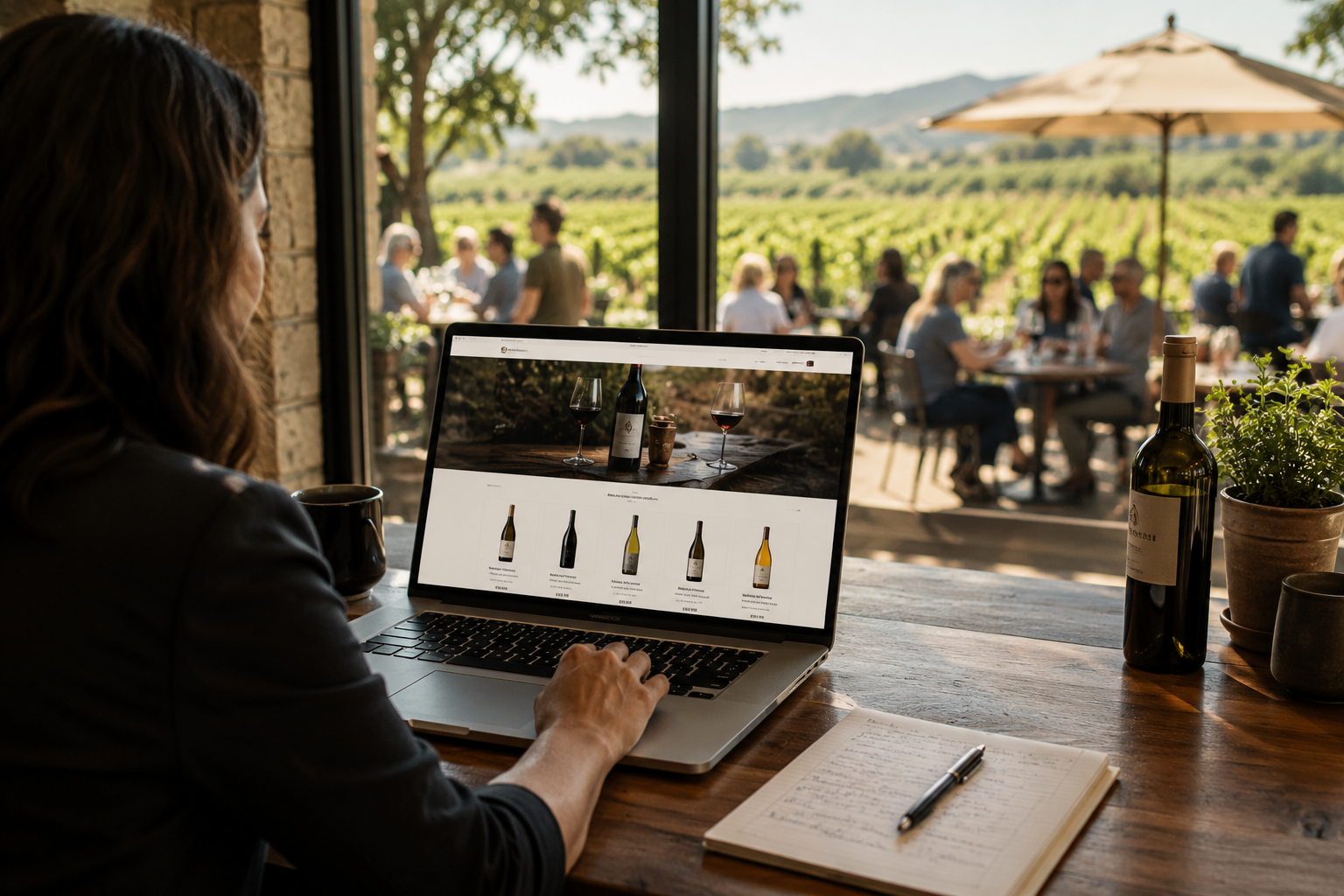
For years, winery ecommerce was viewed as something separate from the rest of the business. It was the online store, the place where customers reordered a few bottles after a visit or discovered your wines through a Google search. As long as orders came through, most wineries considered it a success.
That way of thinking doesn't hold up anymore.
Today's customers don't see your website as a separate part of your winery. They simply expect every interaction to feel connected, whether they're reserving a tasting, purchasing a bottle from their phone, joining your wine club, or placing another order six months after visiting your tasting room. To them, it's all one experience.
The challenge is that many wineries are still running technology built around disconnected experiences instead of connected relationships.
If you're evaluating ecommerce platforms in 2026, don't start by asking which software has the most features. Start by asking which platform helps your winery operate as one connected business.
The answer will influence far more than your online sales.
It's easy to get caught up in software comparison charts. Every platform promises beautiful product pages, promotional codes, payment processing, shipping integrations, customer accounts, and mobile-friendly checkout. Those features matter, but they rarely tell the whole story.
The better question is what happens after someone clicks Place Order.
Does your staff immediately know who that customer is?
Does their purchase history become part of a single customer profile?
Will your marketing team recognize them in future campaigns?
If they become a wine club member tomorrow, will everything connect automatically?
Can your tasting room team see what they purchased online before they arrive for their reservation?
Those are the questions that determine whether your ecommerce platform is simply processing transactions or actively helping your winery grow. Great winery software shouldn't create another department to manage. It should quietly connect the departments you already have.
One of the most common frustrations we hear from wineries isn't that their website doesn't work.
It's that nothing else works with it. The online store lives on one platform. Wine club memberships are managed somewhere else. Reservations exist in another system. Customer marketing happens through a separate database, while reporting often depends on spreadsheets stitched together from multiple exports.
Individually, each piece functions well enough, collectively, they create extra work every single day.
Someone has to reconcile inventory discrepancies. Someone has to answer questions about missing club discounts. Someone has to figure out why a customer's purchase history doesn't match what happened in the tasting room.
None of those tasks create better hospitality, they simply consume time that could be spent building stronger relationships with customers. Your ecommerce platform should reduce complexity, not introduce another layer of it.
The right software decision usually comes down to asking better questions.
Imagine a guest discovers your winery through Instagram, books a tasting for two, purchases six bottles during their visit, joins your wine club a week later, and places another online order before the next shipment.
Should those interactions live in four different systems? Of course not.
Every purchase, reservation, club shipment, preference, and interaction should become part of one customer story. When your team has access to that complete picture, conversations become more personal, recommendations become more relevant, and guests feel recognized no matter where they choose to engage with your winery. That's difficult to accomplish when customer information is scattered across multiple databases.
Your wine club shouldn't feel like an add-on.
Members expect their benefits to work automatically. They assume exclusive wines will be available online, discounts will apply without asking, and member pricing will simply appear when they log in. They aren't thinking about your software, they're thinking about whether your winery will make their connection to you effortless.
When ecommerce and wine club management operate together, those experiences feel effortless. When they don't, staff end up manually correcting orders, applying discounts after the fact, or explaining why member benefits didn't appear online. None of those conversations strengthen loyalty.
Many wineries choose software based on where they are today.
A stronger approach is to choose software based on where you want your winery to be three or five years from now, not simply where it is today. Whether you're planning to expand production, open another tasting room, grow your wine club, or reach customers well beyond your local market, your technology should be ready to support that growth instead of forcing you to replace it just as your business begins to gain momentum.
Growth has a way of exposing technology limitations that weren't obvious in the beginning.
Replacing an ecommerce platform after thousands of customer records, years of order history, and an established wine club have accumulated is significantly more disruptive than choosing a scalable solution from the start. The best platform isn't necessarily the one that fits your business today, it's the one that continues supporting your business tomorrow.
Every winery invests time creating beautiful labels, compelling stories, engaging social media, and memorable tasting experiences. All of that effort can disappear if checkout becomes frustrating.
Customers expect websites to load quickly. They expect shopping on their phones to feel just as easy as shopping from a desktop. They appreciate digital wallets, saved payment methods, simple navigation, and a checkout process that gets out of their way.
Every additional click introduces another opportunity for someone to abandon their cart and sometimes improving ecommerce isn't about attracting more visitors.
It's about making it easier for the visitors you already have to complete their purchase.
The best technology often goes unnoticed because it quietly removes friction behind the scenes.
Inventory updates automatically --> Customer records stay synchronized.
Member pricing applies without intervention --> Orders flow naturally into fulfillment.
And at the end of it all, reports are available without exporting three different spreadsheets and hoping the numbers match.
The best technology doesn't replace hospitality. It creates more opportunities for it. By automating routine tasks behind the scenes, your team gains the time and freedom to recognize returning guests, have more meaningful conversations, and deliver the kind of personalized experience that keeps customers coming back. That's where technology creates its greatest return.
Software evaluations often focus on features while overlooking one of the most important questions.
Who answers the phone when something goes wrong?
Harvest season doesn't pause because support tickets are backed up and holiday shipping doesn't wait for an email response.
Whether you're launching a new wine club release, preparing for a major event, or navigating your busiest tasting room weekend of the year, responsive support becomes every bit as important as the software itself.
Working with people who understand wineries often makes the difference between solving a problem in minutes and losing an entire day trying to explain how your business operates.
There are countless ecommerce platforms available today, and many of them are excellent at selling products.
Wine, however, isn't just another product.
Wineries manage allocations, memberships, reservations, tasting experiences, compliance, recurring shipments, vintage releases, customer preferences, and hospitality, all while trying to maintain meaningful relationships that often last for decades.
Generic ecommerce platforms weren't designed around those realities.
As a result, wineries frequently find themselves adding plugins, purchasing additional software, managing separate databases, and paying for integrations simply to recreate functionality that winery-specific platforms already provide.
What initially looks like flexibility eventually becomes complexity.
Instead of one connected system, you end up managing six.
Imagine a guest planning a weekend in wine country.
They discover your winery online after searching for places to visit.
They browse your wines, reserve a tasting, receive personalized communication before arriving, purchase several bottles during their visit, enroll in your wine club, receive future shipments, and continue ordering throughout the year.
From the guest's perspective, every interaction feels effortless. They're recognized when they arrive, their purchase history is readily available to your team, wine club benefits apply automatically, and every email they receive reflects their interests instead of a one-size-fits-all promotion. Behind the scenes, every reservation, purchase, club shipment, and customer interaction flows into a single set of reports without anyone exporting spreadsheets or piecing data together manually. That's what modern winery ecommerce should accomplish: creating a connected experience for your guests while making life easier for your team.
Not because it's impressive technology, because it creates better hospitality.
The wineries experiencing the strongest long-term growth aren't necessarily the ones with the flashiest websites. More often, they're the ones delivering a consistent, connected experience at every stage of the customer journey. Their online store complements the tasting room, the tasting room naturally feeds the wine club, and every reservation, purchase, shipment, and marketing interaction builds on the last instead of existing in isolation.
When reservations, ecommerce, payments, reporting, customer data, and marketing all share the same information, the difference is immediately noticeable. Guests feel recognized instead of anonymous, receive recommendations that reflect their preferences, and enjoy an experience that feels seamless from their first website visit to their latest wine club shipment. It's the kind of hospitality customers remember, and it's incredibly difficult to achieve when every part of the winery relies on a different system.
At OrderPort, we've always believed ecommerce should be connected to the rest of the winery, not treated as a standalone website.
That's why OrderPort brings together ecommerce, point of sale, wine club management, reservations, customer relationship management, payments, and reporting within one connected platform.
Instead of asking your team to bridge the gaps between disconnected systems, the platform helps those connections happen naturally behind the scenes.
The result is less manual work, better visibility across your business, and a guest experience that feels consistent from the first website visit to the hundredth wine club shipment.
Because that's ultimately what winery software should do.
It shouldn't simply help you sell wine online, ot should help your entire winery operate as one connected business.
Choosing a winery ecommerce platform isn't just a website decision anymore.
It's a business decision that affects hospitality, operations, customer relationships, wine club growth, reporting, and nearly every experience your guests have with your brand.
As you compare your options, look beyond the feature lists and ask whether the platform helps your team work together, gives customers a seamless experience, and provides the foundation your winery will need five years from now.
The wineries growing most successfully in 2026 aren't adding more software.
They're connecting the software they rely on into one system that supports every bottle sold, every guest welcomed, and every relationship built.

1 min read
What Today’s Winery Guests Expect Online The expectations guests bring to your winery’s digital presence have fundamentally changed. What worked...
1 min read
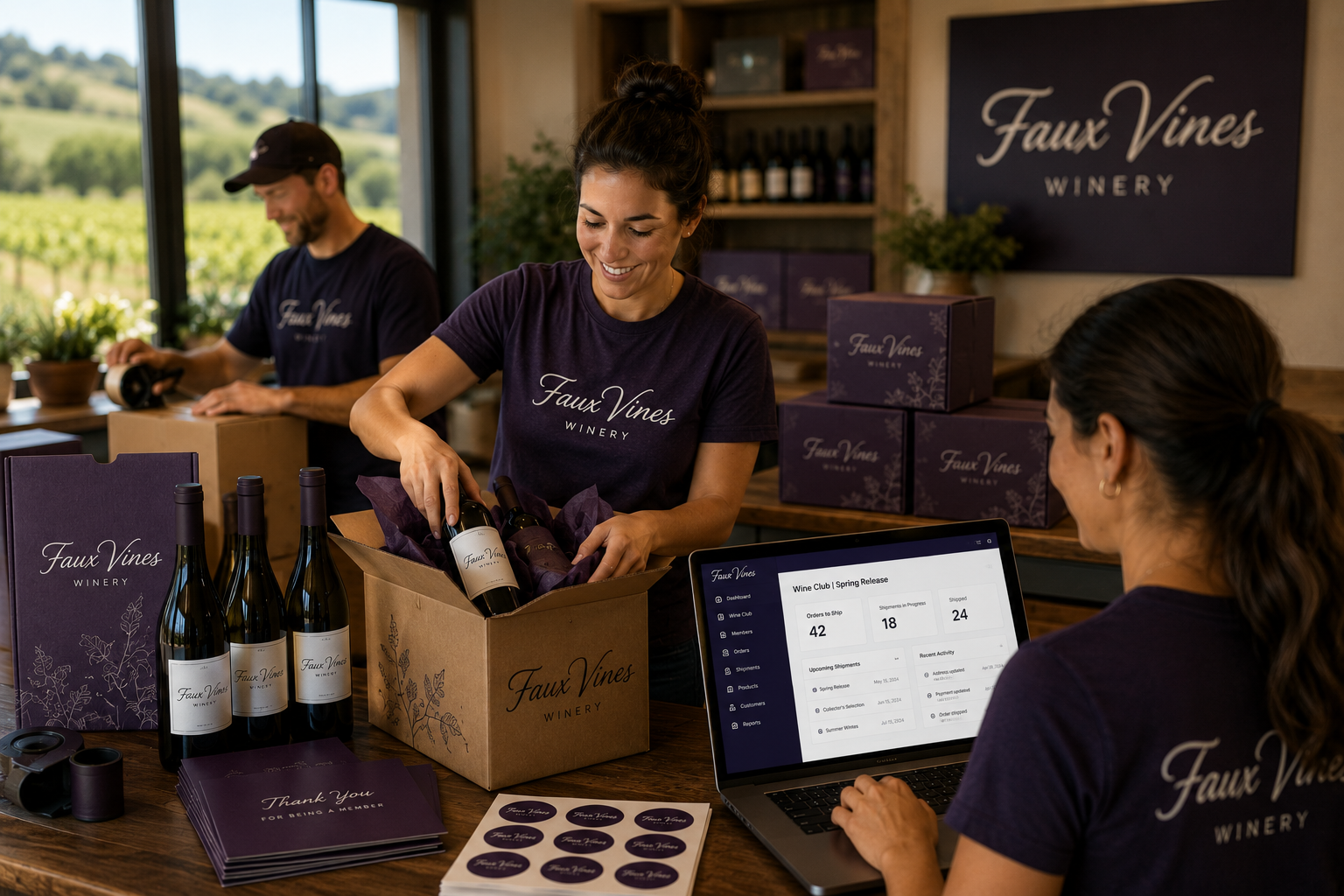
Launching a wine club is one of the smartest investments a small winery can make. It creates recurring revenue, builds stronger relationships with...
1 min read
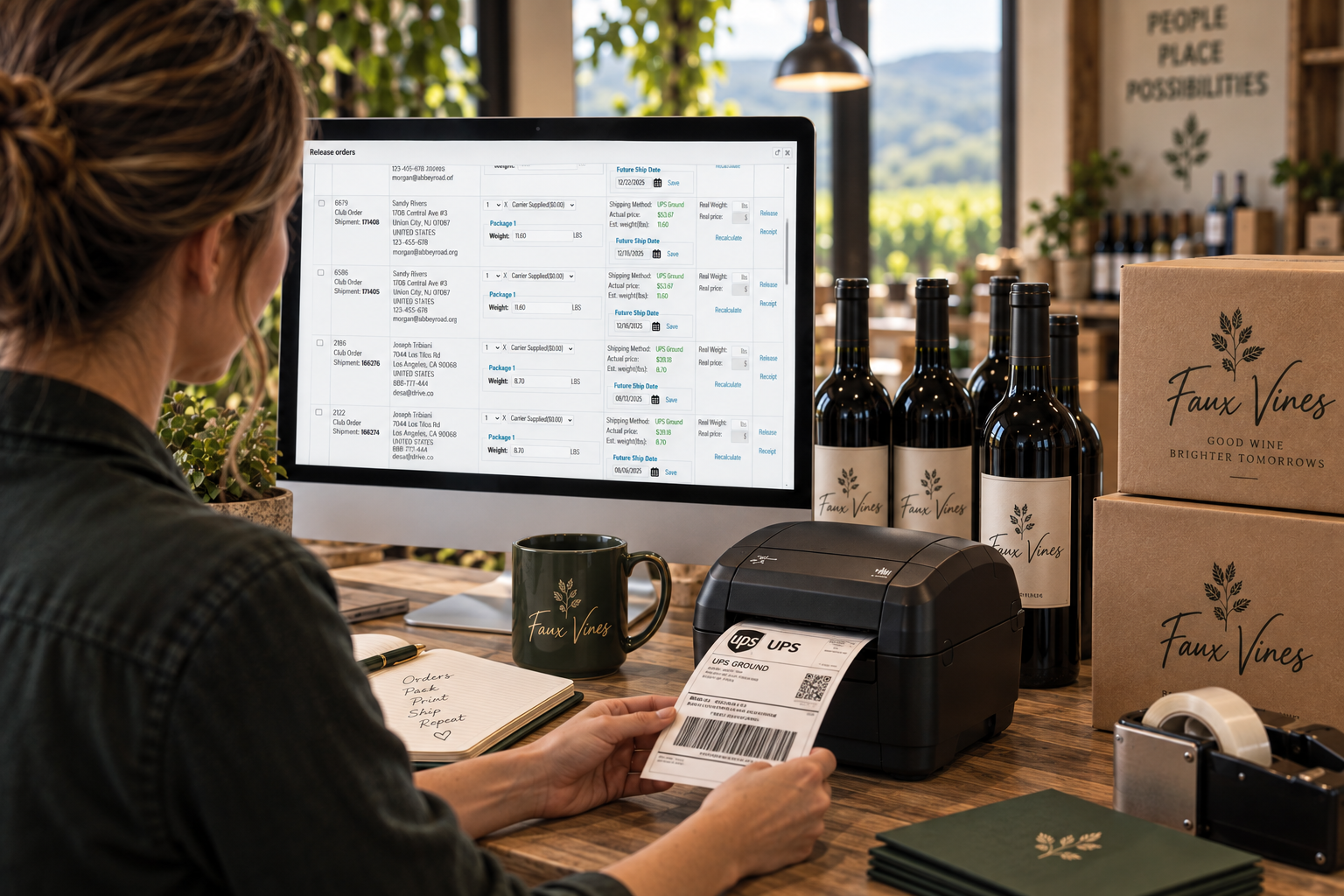
Selling wine online requires more than adding a shopping cart to your website. Several ecommerce platforms can support online wine sales, but...