From Harvest to Hospitality: Why the Modern Winery Is a Guest Experience Business
For generations, the rhythm of a winery has followed the vineyard. Bud break. Bloom. Veraison. Harvest. Fermentation. Aging. Bottling. Wine has...
3 min read
Marketing : Mar 16, 2026 8:22:00 AM
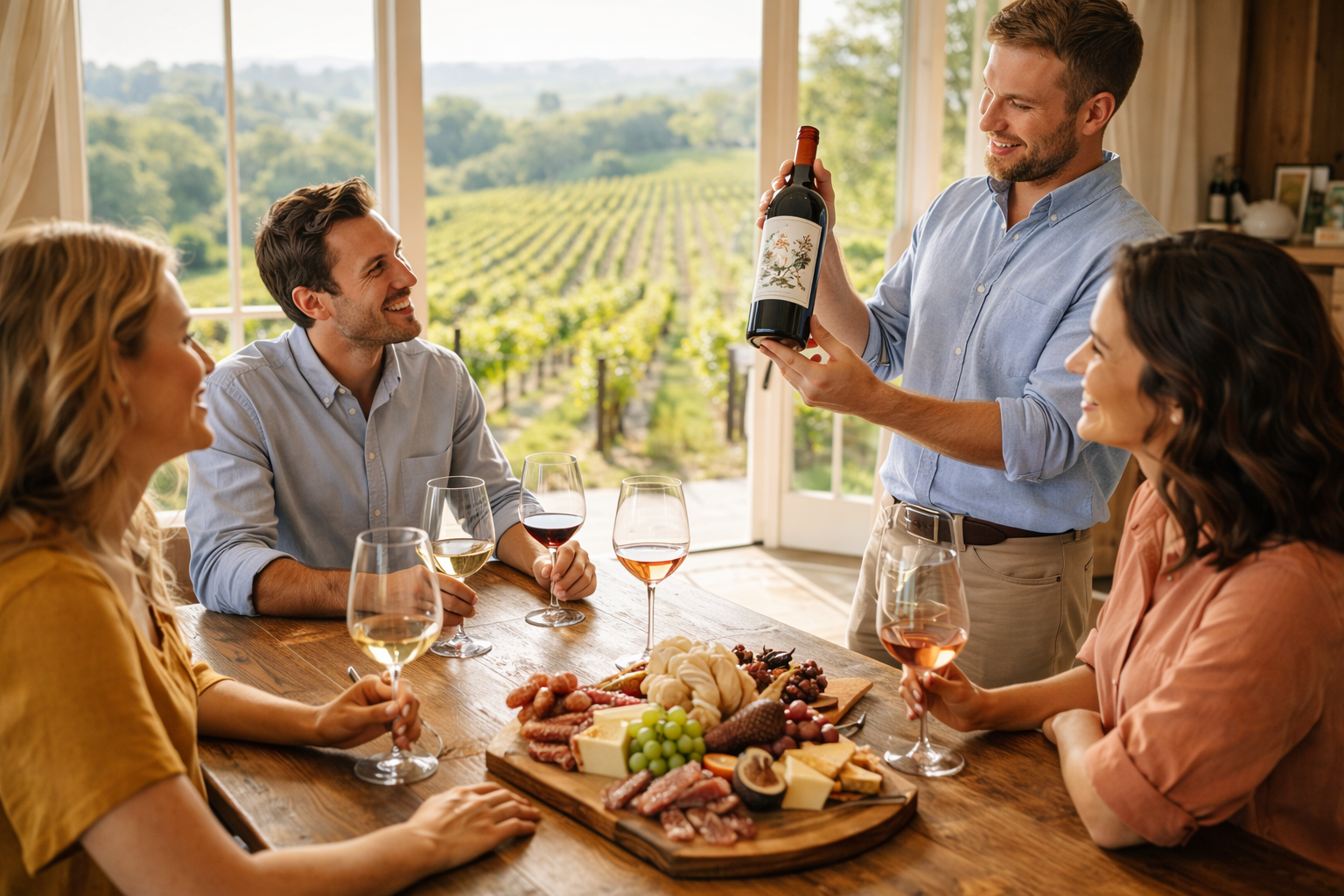
For most wineries, the tasting room is where relationships begin. A guest walks through the door, tastes a few wines, hears a bit of the winery’s story, and hopefully leaves with a bottle or two. For decades, that simple exchange was the foundation of direct-to-consumer sales.
Today, that moment still matters just as much. The difference is that wineries now have tools that help turn those moments into more thoughtful, personalized experiences.
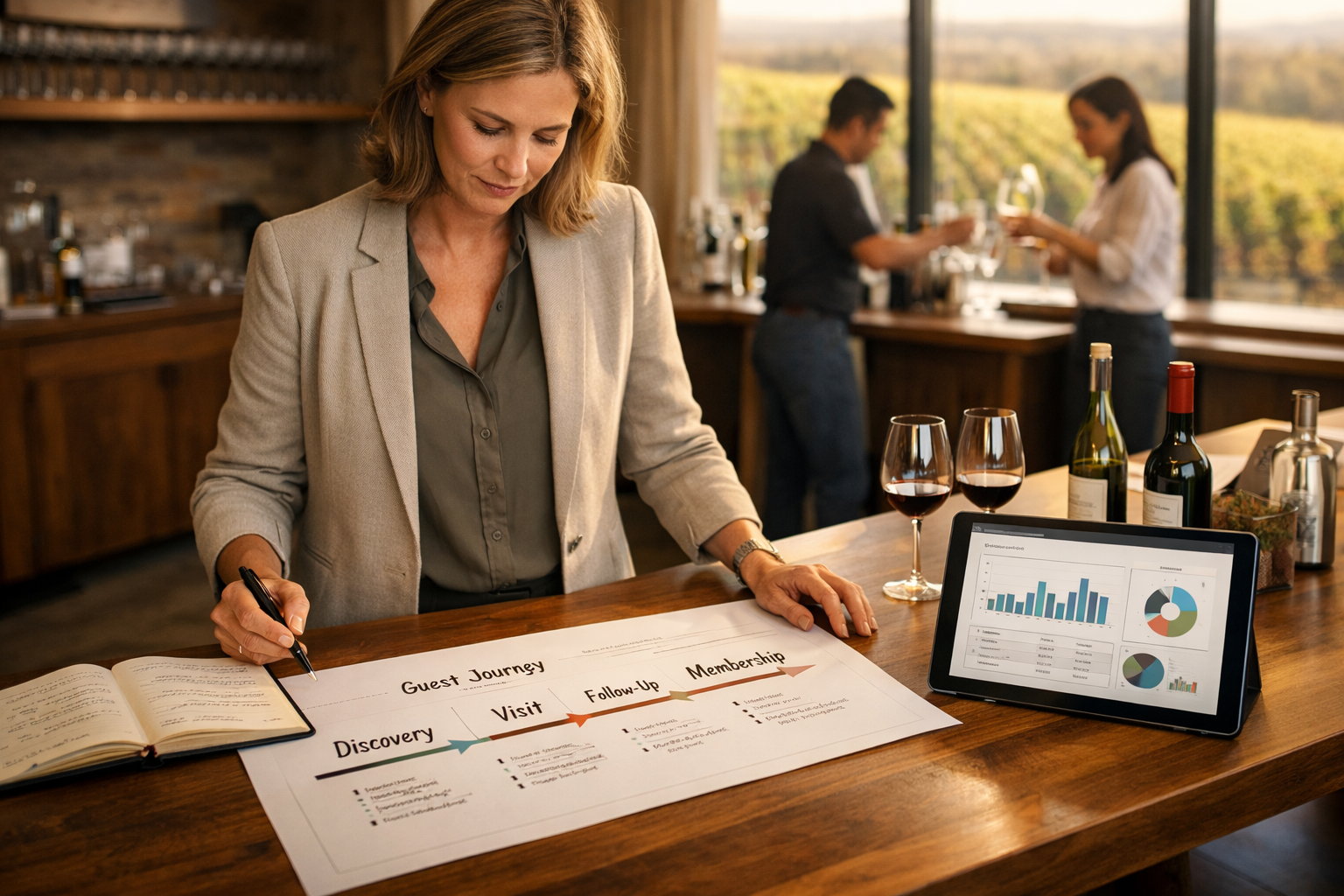
Just as restaurants and hotels use guest data to improve service, wineries are beginning to do the same. Customer Relationship Management systems, often called CRMs, allow tasting room teams to better understand who their guests are before the first pour even begins.
When used well, this information does not replace hospitality. It simply helps your team deliver it more naturally.
Most tasting room teams genuinely want to provide a great experience. The challenge is that they often know very little about the people sitting in front of them. This is where CRM insights can quietly make a big difference.
The goal is not to overwhelm staff with reports or complicated dashboards. Instead, they should see a few key pieces of information that help guide the conversation.
Helpful guest details might include:
With just this small amount of context, the tasting room experience becomes far more personal. A host might say, “I see you enjoyed our Syrah on your last visit. We released a new vintage recently that you might love.” That simple moment makes a guest feel recognized rather than treated like a stranger.
Many wineries now use reservation systems to manage tasting room visits. When those systems connect to a CRM, they create an opportunity to prepare for guests before they even arrive. A quick look at the day’s reservations can help staff understand who will be walking through the door.
Perhaps a returning wine club member is visiting with friends. Maybe a guest purchased several cases online last year but has never visited the property. Another guest might be brand new and discovering the winery for the first time.
Knowing these details ahead of time allows the team to approach each table with a little more intention.
Returning members can be welcomed back and thanked for their support. Loyal buyers can hear about new releases that match their past purchases. First-time visitors can receive a thoughtful introduction to the winery’s story.
Preparation like this does not take long, but it can transform the tone of the entire visit.
One of the most powerful aspects of a CRM is its ability to build a history of each guest relationship.
Every purchase, visit, and interaction helps create a clearer picture of what someone enjoys. Over time, this information becomes incredibly valuable.
A guest who prefers crisp white wines might appreciate hearing about a new Sauvignon Blanc release. Someone who consistently buys bold reds may want to learn about your newest Cabernet or Syrah.
Staff can also add simple notes after a tasting. Perhaps a guest mentioned they are celebrating an anniversary next year, or that they visit the region every spring.
These details allow future visits to feel more personal and connected. Guests quickly notice when a winery remembers them.
A tasting room visit is often the beginning of a much longer relationship.
When guests feel welcomed, understood, and cared for, they are far more likely to continue engaging with the winery. They may join the wine club, return for another visit, or purchase wines online after they return home.
CRM insights help wineries nurture those relationships.
Staff can recommend wines that match a guest’s preferences. Follow-up emails can highlight releases similar to past purchases. Club invitations can be offered at the right moment, when the guest is already excited about the wines they discovered.
These small touches create a sense of connection that extends far beyond a single tasting.
The best tasting rooms will always be built on human connection. A warm welcome, a genuine conversation, and a passion for the wines cannot be replaced by software.
What technology can do is make those moments easier to deliver.
A well-used CRM gives your team the confidence of knowing who their guests are and what they enjoy. Instead of guessing, they can guide the tasting in a way that feels thoughtful and intentional.
For wineries focused on growing their direct-to-consumer business, this approach is becoming increasingly important. The more a guest feels recognized and valued, the more likely they are to return.
In the end, data does not replace hospitality. It simply helps wineries practice it more thoughtfully.
And when that happens, every tasting becomes an opportunity to build a lasting relationship.
For generations, the rhythm of a winery has followed the vineyard. Bud break. Bloom. Veraison. Harvest. Fermentation. Aging. Bottling. Wine has...
Your Guest Experience Is a System (Whether You Designed It or Not) Walk into almost any tasting room and you’ll hear the same thing:
If you have spent any time managing a tasting room, you already know this truth. Hospitality is everything.