Not long ago, visiting a winery was simple. Guests would drive up, step inside, and wait for a spot at the tasting bar. Some days were slow and relaxed. Other days were crowded and chaotic. Most wineries simply did their best to keep up.

Today, the experience often begins long before a guest arrives.

For many visitors, their first interaction with a winery happens online when they book a tasting. That reservation page has quietly become the new front door of the winery. It is where expectations begin to form and where the tone of the visit is set.

A well-designed reservation system does far more than manage time slots. It helps wineries shape the guest experience, prepare their teams, and create smoother, more thoughtful visits.

Reservations Shape the Guest Experience Before Arrival

When a guest books a tasting, they are not just selecting a time. They are forming their first impression of your winery.

A clear, welcoming reservation page can tell guests a lot about what to expect. It shows the types of experiences available, the atmosphere of the property, and how the winery approaches hospitality.

Some wineries offer relaxed walk-in tastings. Others focus on seated experiences with curated wine flights or food pairings. Reservation platforms make it easy to present these options in a way that helps guests choose the experience that suits them best.

The result is that guests arrive feeling prepared and excited rather than uncertain about what will happen when they walk through the door.

Managing Peak Traffic Without Losing the Personal Touch

Anyone who has worked in a tasting room knows how quickly a busy afternoon can turn into a stressful one. A sudden rush of visitors can overwhelm staff and make it difficult to give each guest the attention they deserve.

Reservation systems help bring structure to those busy moments.

By spacing out appointments and setting capacity limits, wineries can create a steady flow of guests throughout the day. Instead of twenty people arriving at once, visits are paced in a way that keeps the experience comfortable for both guests and staff.

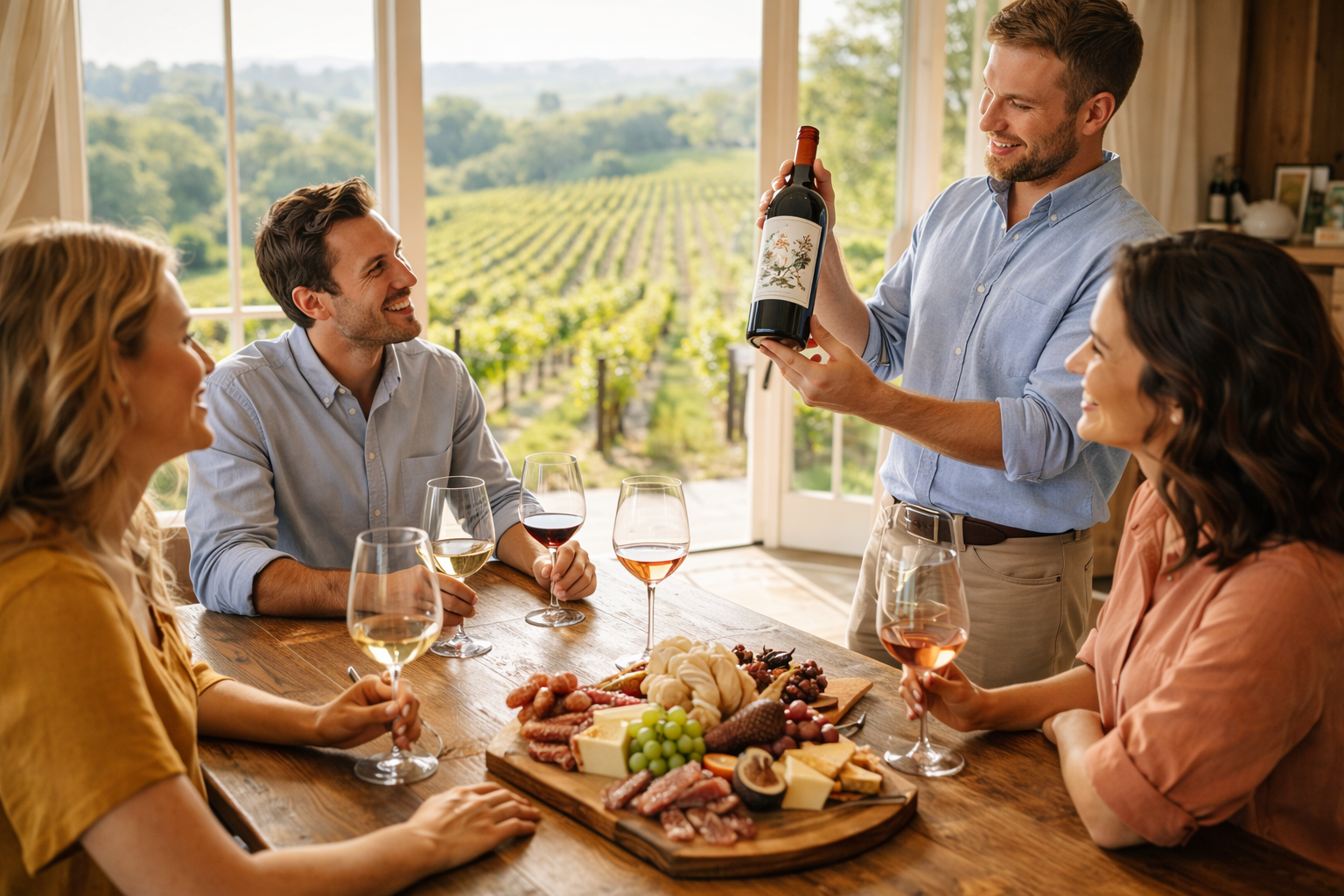
This allows hosts to focus on conversation, storytelling, and service rather than simply trying to keep up with a crowded room.

Guests feel the difference. When the tasting room is thoughtfully managed, the visit feels relaxed and welcoming rather than rushed.

Coordinating Staff With the Day’s Schedule

Reservations are just as helpful for the winery team as they are for visitors.

When managers can see the schedule for the day or week ahead, they can plan staffing more effectively. A Saturday with a full reservation list may require extra hosts or educators. A quieter weekday might call for a smaller team.

This visibility makes it easier to match staff availability with expected guest traffic. It also helps ensure that every table receives the attention it deserves.

For wineries that offer multiple tasting experiences or private events, reservations help coordinate these activities without overlap or confusion.

The result is a smoother day for everyone involved.

Connecting Reservations With POS and CRM Systems

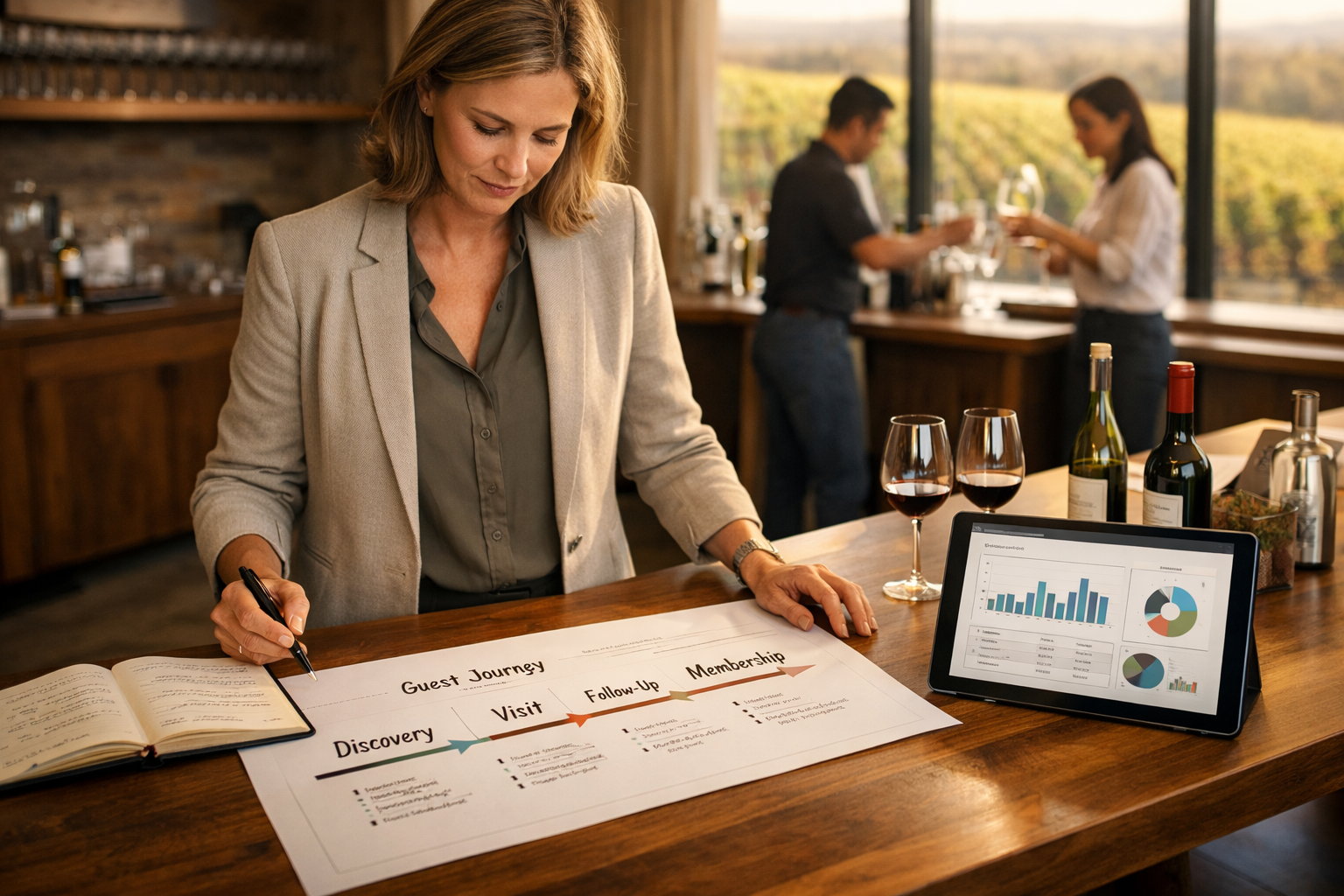
One of the most powerful benefits of modern reservation platforms is their ability to connect with other winery tools. When reservation data flows into your point-of-sale system and CRM, it becomes much more than a schedule. It becomes valuable insight into your guests and their behavior.

For example, wineries can see:

  • Which experiences guests book most often
  • How frequently visitors return
  • Whether certain experiences lead to higher purchases
  • How many reservations convert into wine club memberships

This information helps wineries refine their hospitality strategy over time.

It also allows staff to prepare for guests more thoughtfully. A returning visitor who books a tasting might already have a purchase history or previous visit notes stored in the CRM. With that context, hosts can greet them in a more personal way and tailor the tasting accordingly.

Designing Experiences, Not Just Managing Time Slots

At its best, a reservation system becomes a tool for experience design.

Instead of simply controlling when guests arrive, wineries can thoughtfully shape what happens during the visit. They can offer different tasting formats, create private experiences, and guide visitors toward the options that best represent the winery’s style.

The reservation page becomes an introduction to the brand and a preview of the hospitality guests will encounter on-site.

In this way, reservations support something that has always been at the heart of wine country visits: creating moments people remember.

A Better Beginning to the Guest Journey

Great winery experiences begin with a warm welcome. Today, that welcome often starts online.

When reservation systems are used thoughtfully, they help wineries prepare their teams, manage guest flow, and create more personal interactions from the moment someone books a visit.

Guests arrive knowing what to expect. Staff feel ready for the day ahead. The tasting room can focus on what it does best, sharing wine, stories, and hospitality.

In many ways, the reservation page has become the first step in the guest journey.

And when that first step is smooth and inviting, everything that follows becomes a little easier.