1 min read
Beyond the Tasting Room: 7 Local Partnerships That Drive Better DTC Growth
For years, most wineries have approached growth from the same direction. Increase traffic to the tasting room. Improve club conversion. Send more...
5 min read
Marketing : June 18, 2026
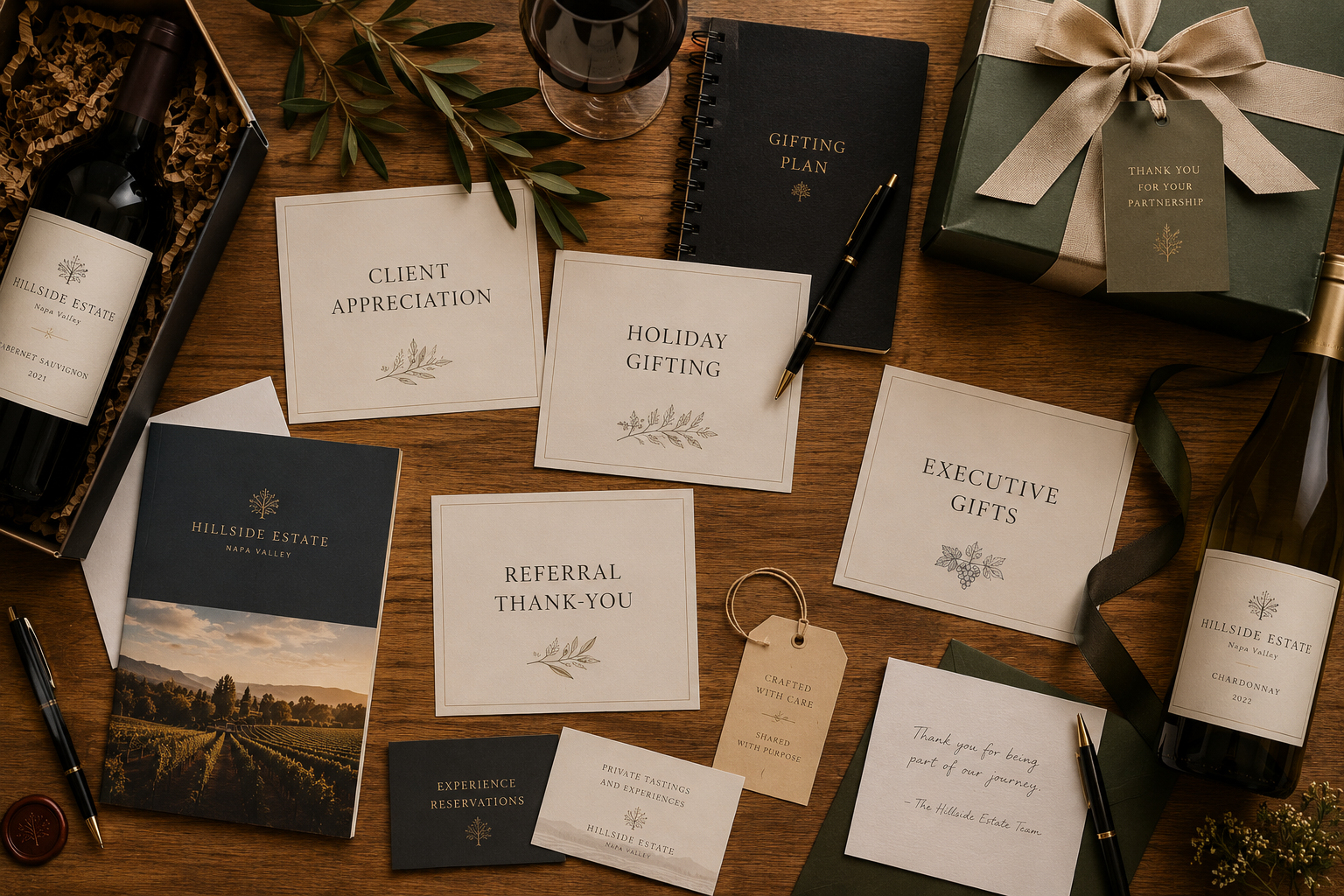
Every December, wineries across the country receive the same flood of last-minute corporate gifting requests.
A real estate team suddenly needs twenty closing gifts before Christmas. A financial advisor wants branded wine packages shipped to clients. A local business owner calls asking whether custom notes and bulk shipping are possible with less than a week’s notice.
For many wineries, corporate gifting becomes a stressful seasonal scramble that temporarily overwhelms staff before disappearing again in January.
That approach leaves a tremendous amount of opportunity on the table.
Corporate gifting is not just a holiday sales category. When structured correctly, it becomes one of the most reliable and relationship-driven revenue channels a winery can build. It creates repeat business, introduces new customers to your brand, strengthens local partnerships, and opens the door to long-term business relationships that extend far beyond a single order.
The wineries seeing the most success with corporate gifting are not simply waiting for seasonal inquiries to arrive. They are building systems that make gifting easy, repeatable, and valuable year-round.
Businesses are constantly looking for ways to maintain relationships.
They need thoughtful ways to:
Wine naturally fits many of those moments because it feels personal without being overly complicated. A well-packaged wine gift feels elevated, hospitality-driven, and experience-oriented in a way that many traditional corporate gifts do not.
That matters because most businesses are not trying to impress people with another branded notebook or coffee tumbler. They are trying to create connection.
Wine also carries emotional value. It is associated with celebration, relaxation, hospitality, and shared experiences. That emotional connection is part of what makes it such a strong gifting category.
For wineries, the opportunity becomes even stronger because gifting often introduces entirely new customers to the brand. A recipient who enjoys the experience may later:
In many cases, one gifting relationship can quietly generate years of downstream value.
One of the most common mistakes wineries make is treating corporate gifting as a special request instead of a structured offering.
Every order becomes custom. Every inquiry requires multiple back-and-forth emails. Pricing changes constantly. Packaging decisions happen manually. Shipping questions create confusion.
That level of friction slows everything down, especially for business clients who value simplicity and responsiveness.
Most companies do not want to spend weeks figuring out how to place a gifting order. They want:
The easier the process feels, the more likely businesses are to reorder.
Another challenge wineries face is positioning.
Many wineries market gifting too narrowly by focusing entirely on bottles, varietals, and tasting notes. Businesses are usually not shopping for wine in the same way consumers are.
They are shopping for:
That distinction matters.
A real estate firm is not simply buying Cabernet. They are looking for a memorable closing gift that reflects well on their brand. A financial advisor is not searching for tasting notes. They are trying to strengthen long-term client relationships.
The wineries performing well in this category position their gifting around relationships rather than products.
That means shifting the conversation away from:
And toward:
The emotional purpose behind the gift matters just as much as the wine itself.
One of the smartest things a winery can do is simplify aggressively.
Too many gifting programs become overly complicated because wineries try to customize every possible detail upfront.
Instead, strong gifting systems usually rely on:
For example:
Each package should feel polished and intentional without requiring endless decision-making from the buyer.
This approach benefits wineries operationally as well because it creates:
Businesses appreciate simplicity far more than excessive customization.
Holiday gifting will always matter, but wineries often miss the much larger year-round opportunity sitting right in front of them.
Businesses constantly encounter moments that call for thoughtful gifting.
Professional service businesses rely heavily on retention and referrals. Sending a curated wine gift after a successful project or major milestone helps reinforce the relationship.
Companies are looking for ways to reward employees that feel more meaningful than generic corporate merchandise. Wine gifting works particularly well for leadership teams, anniversaries, promotions, and special achievements.
Real estate agents, mortgage lenders, and relocation specialists consistently need elevated closing gifts that feel local and personal. Wine country wineries are perfectly positioned for this category.
Executives and business owners often need gifts for:
A premium wine package paired with thoughtful presentation creates a far stronger impression than most traditional gifting options.
Relationship-based industries thrive on referrals. A winery gifting program gives businesses an easy way to thank referral partners while simultaneously introducing new people to the winery brand.
The wineries building strong gifting channels recognize that every industry built on relationships represents potential long-term business.
The difference between a stressful gifting season and a scalable gifting channel usually comes down to systems.
Wineries need clear internal processes around:
That does not require complicated enterprise infrastructure. It simply requires organization.
Strong systems often include:
One of the biggest missed opportunities in winery gifting is failing to follow up after an order is completed.
A business that places one successful order is not a finished transaction. It is a relationship that can grow.
That client may need:
The wineries that treat gifting relationships as ongoing partnerships rather than one-time sales are the ones creating meaningful recurring revenue.
Corporate clients care deeply about reliability.
A beautifully packaged gift loses its impact if:
This is where many wineries unintentionally lose repeat business.
The businesses wineries are targeting often operate in high-pressure environments themselves. They remember vendors who make life easier.
That means wineries should focus heavily on:
The gifting experience itself becomes part of the winery brand.
One of the most effective ways to grow corporate gifting programs is through local partnerships.
Strong referral relationships often come from:
Many of these businesses already serve the same customer demographic wineries are trying to reach.
When wineries make gifting easy and dependable, local businesses begin referring clients naturally because the experience reflects well on them too.
Over time, these relationships compound.
One real estate team can generate dozens of gifting opportunities annually. One financial services office can create recurring client appreciation orders throughout the year.
The key is consistency.
Corporate gifting works best when wineries stop viewing it as a holiday promotion and start treating it like a relationship-driven business channel.
The opportunity is not just selling more bottles during December. The opportunity is building systems that create repeatable business, stronger local partnerships, and long-term customer relationships throughout the entire year.
The wineries succeeding in this space are not necessarily the ones offering the most complicated customization or the most expensive packaging.
They are the wineries that:
Businesses want gifting partners they can trust.
When wineries become easy to work with, operationally reliable, and relationship-focused, corporate gifting evolves from occasional seasonal revenue into one of the strongest long-term growth channels available in modern DTC wine.
1 min read
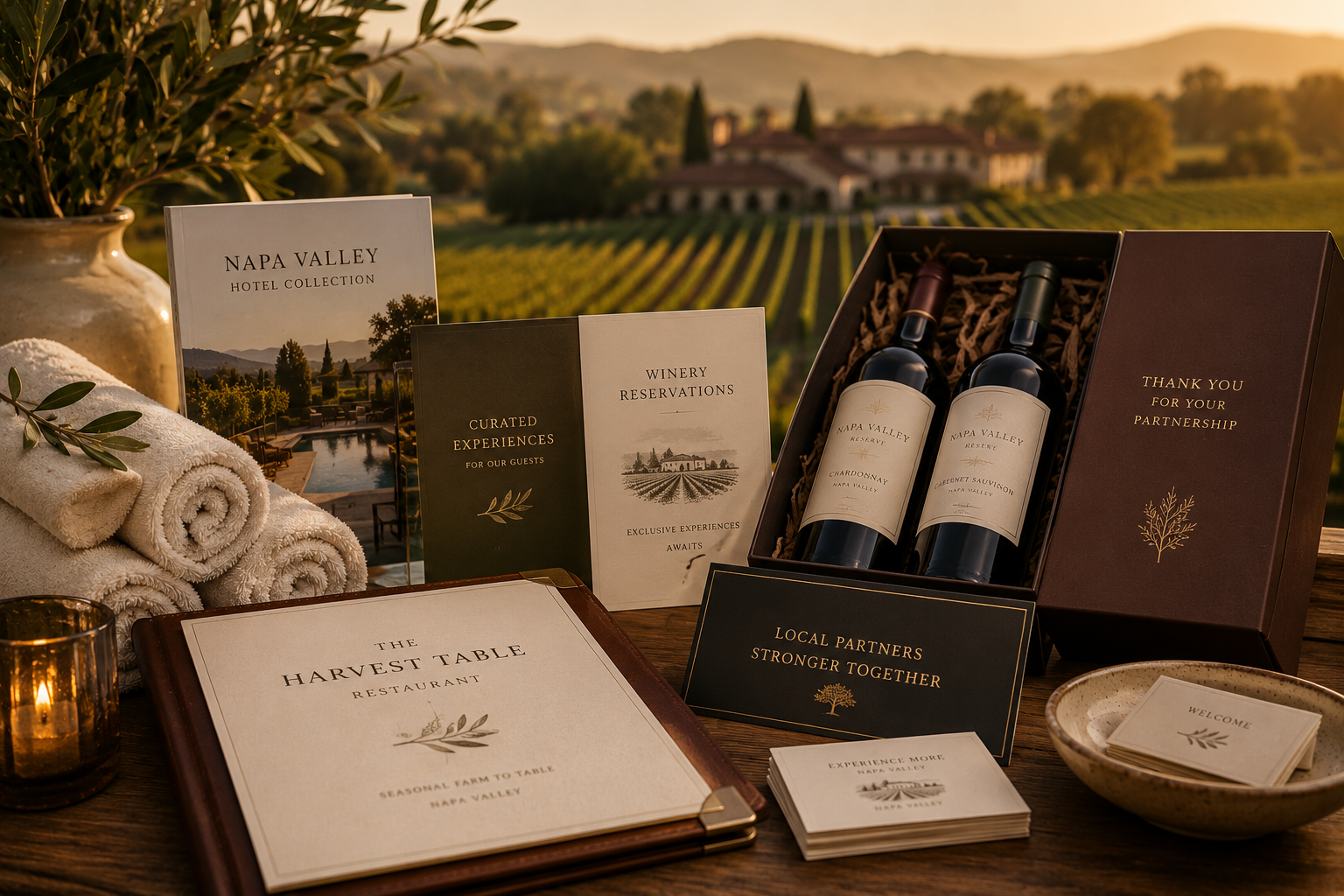
For years, most wineries have approached growth from the same direction. Increase traffic to the tasting room. Improve club conversion. Send more...
1 min read
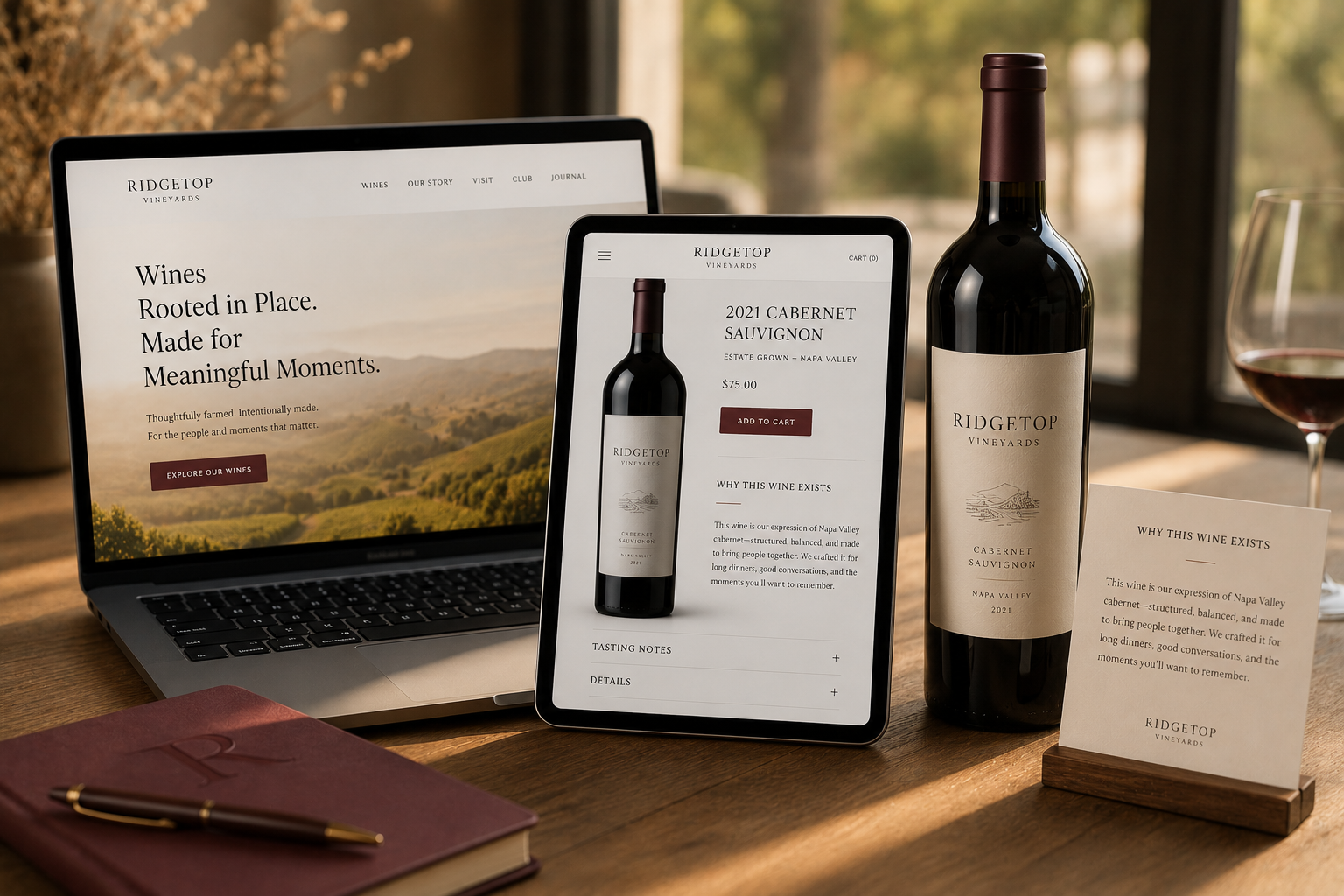
Storytelling is not a brand exercise. It is a revenue lever when you use it in the right places. Most wineries already have strong stories, and the...
1 min read
For generations, the rhythm of a winery has followed the vineyard. Bud break. Bloom. Veraison. Harvest. Fermentation. Aging. Bottling. Wine has...