1 min read
From Tasting Notes to Emotional Hooks: Writing Copy People Actually Buy From
Blackberry. Cedar. Vanilla. Great. But no one buys a case because of “hints of graphite.”
5 min read
Marketing : June 9, 2026
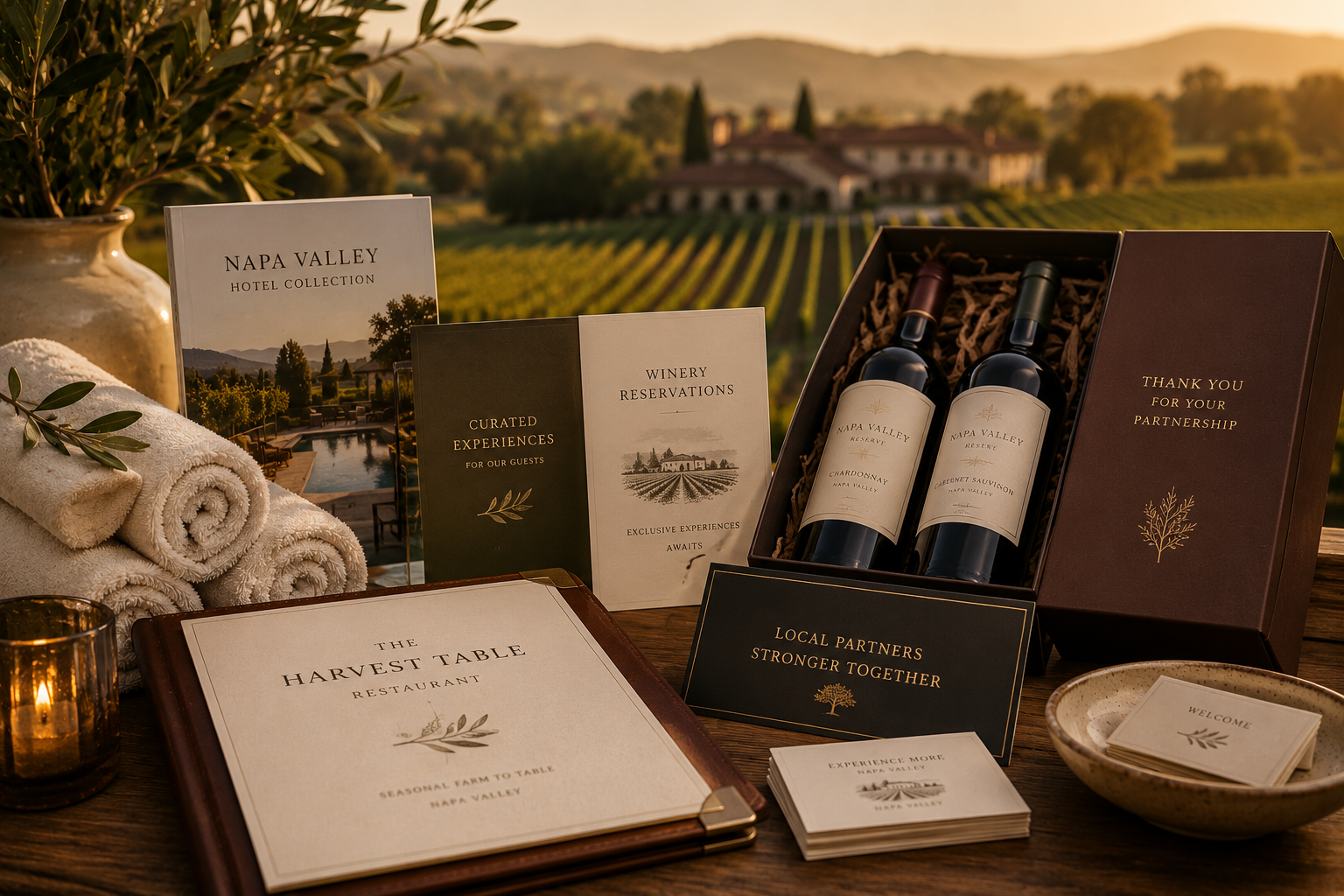
For years, most wineries have approached growth from the same direction. Increase traffic to the tasting room. Improve club conversion. Send more emails. Run more ads. Push harder on ecommerce.
Those things still matter, but many wineries are overlooking one of the most effective ways to grow direct-to-consumer sales because they are thinking too narrowly about where customers actually come from.
Wine country guests do not experience wineries in isolation. They experience regions, communities, recommendations, and trusted local relationships. Their weekend is shaped by where they stay, where they eat, who planned the trip, what businesses they already trust, and who pointed them toward a specific winery in the first place.
That means some of the strongest DTC growth opportunities are happening well outside the tasting room itself.
The wineries seeing the most consistent growth are often the ones building local partnership ecosystems that keep them visible throughout the customer journey instead of relying entirely on discovery through advertising or tourism traffic alone.
Here are seven local partnership categories wineries should pay far more attention to, along with practical ways to turn those relationships into stronger visitorship, better wine club conversion, and more repeat business over time.
Hotels are one of the most obvious winery partnerships, yet many wineries still treat them casually. A few brochures get dropped off at the front desk and everyone hopes referrals happen naturally from there.
The wineries getting real value from hotel partnerships usually take a much more intentional approach.
They build direct relationships with:
They make booking simple. They provide updated reservation links. They train hotel staff on what type of guest fits their experience best. Most importantly, they create an experience that reflects positively on the hotel recommending them.
A boutique hotel does not want to send guests somewhere confusing, rushed, or transactional. They want confidence that their guests will leave feeling taken care of.
When done well, hotel partnerships can drive:
One winery might partner with a nearby luxury inn to create preferred tasting access for guests booking weekend packages. Another may offer concierge-only reservation times during busy weekends so hotel guests always feel prioritized.
The key is consistency. Hotel staff need clear communication and confidence in the experience they are recommending.
Spas are an underrated partnership category because wineries often fail to recognize how closely wellness tourism and wine tourism overlap.
Many wine country visitors are not simply looking for wine. They are looking for relaxation, escape, connection, and curated experiences. Spa guests tend to value hospitality, ambiance, and premium experiences, which aligns naturally with many winery brands.
This partnership works especially well for wineries focused on:
Examples could include:
A winery and spa do not need to build a massive co-branded campaign for the relationship to work. Sometimes a simple, well-executed referral relationship with clear guest benefits is enough to generate ongoing traffic.
These partnerships also tend to bring in guests who are more likely to linger, purchase onsite, and engage with future offers instead of simply checking wineries off a tourist list.
Real estate partnerships are one of the strongest long-term opportunities for wineries because they connect directly to life transitions.
People moving into wine country or purchasing second homes are actively looking for ways to connect with the region. They want local recommendations, experiences, and community touchpoints.
A winery can become part of that welcome process.
Strong partnership opportunities include:
Luxury real estate teams especially benefit from local gifting partnerships because they constantly need elevated ways to stay connected with clients.
The wineries that perform well here understand that the goal is not just a one-time bottle purchase. The goal is turning new residents into long-term local customers and wine club members.
This works particularly well because new homeowners often become repeat visitors, bring friends and family into the tasting room, and participate in local events over time.
Planned communities, golf communities, and active adult developments are often overlooked despite representing highly concentrated groups of local consumers.
These communities frequently organize:
Wineries can become integrated into those community experiences through:
Unlike tourism-based traffic, these partnerships help wineries build consistent local visitation patterns.
That matters because local customers are often:
Many wineries spend enormous amounts trying to acquire new customers while underinvesting in the communities already surrounding them.
This partnership category surprises people at first, but it makes a great deal of sense when you consider how relationship-driven financial services businesses operate.
Financial advisors rely heavily on:
Wine naturally fits into many of those touchpoints.
Examples include:
These partnerships can become especially valuable because they often connect wineries with customers who align strongly with DTC purchasing behavior and club participation.
The mistake wineries make is approaching these businesses only during the holidays. The stronger strategy is building year-round relationships through recurring gifting programs and client experiences.
A winery that becomes a trusted hospitality and gifting partner to a financial services firm can create repeat business patterns that extend far beyond seasonal promotions.
Restaurant partnerships have existed forever in the wine industry, but many wineries still think about them too narrowly.
Restaurants are not just wholesale accounts. They are discovery engines.
A restaurant introducing guests to your wine creates an opportunity to continue the relationship beyond the table.
Strong restaurant partnerships often include:
A guest who enjoys your wine during dinner already has a level of trust established before they ever visit your property.
The wineries doing this effectively create continuity between:
Some wineries even build specific tasting experiences around restaurant partnerships, allowing guests to continue the story after dining.
The key is making the transition easy and intentional rather than hoping guests search for you later on their own.
Some of the strongest winery partnerships are not wine-related at all.
Local businesses often have loyal customer bases that overlap heavily with winery audiences.
Examples include:
These relationships work because they build repeated local visibility instead of relying entirely on tourism cycles.
A local business partnership might involve:
The wineries that succeed here usually focus on alignment rather than audience size.
A smaller local business with strong customer loyalty can often drive more meaningful engagement than a larger but disconnected audience.
The wineries seeing real results from local collaborations usually share a few important habits.
First, they make partnerships operationally easy. Booking is simple. Communication is clear. Staff understands the relationship. Follow-up systems exist.
Second, they think beyond immediate traffic. The goal is not simply getting bodies through the door. The goal is building long-term customer relationships through trusted local connections.
Third, they stay consistent. Partnerships fade quickly when communication disappears or the experience becomes unreliable.
And finally, they track what works.
Too many wineries still treat partnerships casually without measuring:
The wineries growing through partnerships are treating them like real business channels rather than occasional side opportunities.
DTC growth is no longer limited to what happens inside the tasting room.
The wineries building sustainable growth today are expanding their visibility throughout the broader customer experience by integrating themselves into the local hospitality, lifestyle, and business ecosystem surrounding them.
Guests trust recommendations from businesses they already know. That trust creates stronger traffic, stronger conversion, and often far better long-term retention than cold marketing alone.
The opportunity is not simply finding more partnerships.
It is building the right ones thoughtfully, supporting them operationally, and turning them into systems that consistently bring the right customers back to your winery again and again.
1 min read
Blackberry. Cedar. Vanilla. Great. But no one buys a case because of “hints of graphite.”
1 min read
Every December, wineries across the country receive the same flood of last-minute corporate gifting requests.
1 min read
Most wineries already have partnerships.