1 min read
The 5 Operational Causes of Wine Club Churn Most Wineries Overlook
Most wineries assume wine club churn is happening because consumer behavior changed.
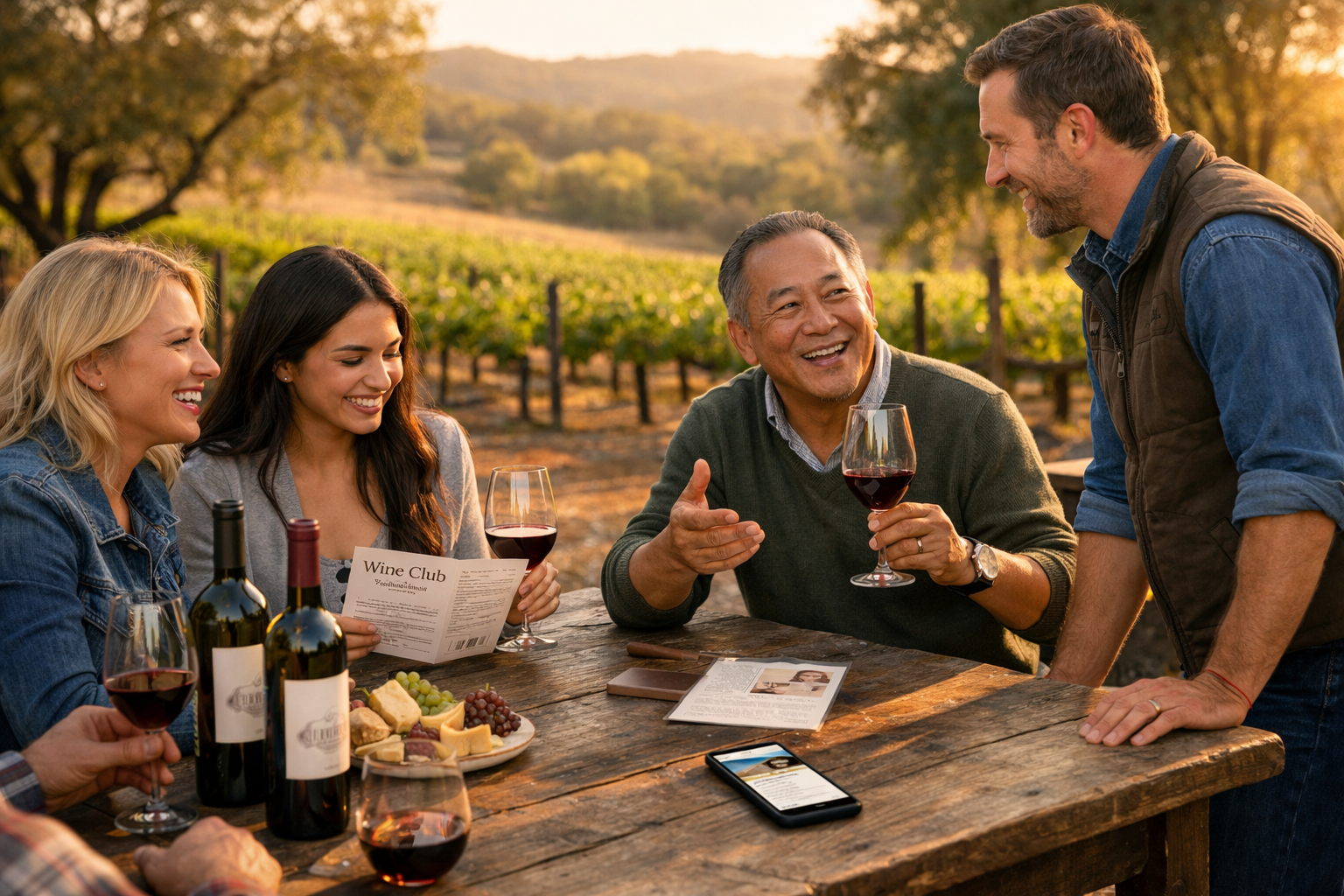
Let’s start here: wine clubs are not dying. But passive, transactional, “set it and forget it” clubs? Those are struggling.
At our Q1 Vantage Summit, one theme kept surfacing: subscription fatigue isn’t about too many subscriptions, it’s about too little connection. Consumers are still loyal. They still join programs. They still crave discovery. What they don’t tolerate anymore is feeling invisible. The future of wine clubs isn’t smaller.
It’s smarter, more intentional. More human.
What the Q1 Summit Revealed About Subscription Fatigue
If there was one misconception we dismantled at the Q1 Summit, it was this: Consumers are not tired of subscriptions.
They’re tired of subscriptions that don’t feel worth it. Across industries — from streaming platforms to meal kits to DTC retail — loyalty programs are evolving. The data and panel discussions pointed to three clear shifts shaping 2026 and beyond:
Consumers expect control.
Pause. Skip. Swap. Adjust frequency. Update preferences without calling or emailing.
In most industries, this is standard. When wine clubs feel rigid — fixed shipments, limited customization, clunky portals — friction increases. And friction leads to cancellations.
This isn’t about flaky members.
It’s about modern loyalty needing to feel adaptable.
Wineries embracing flexible billing, customizable shipments, and self-service tools are discovering something powerful: flexibility doesn’t weaken commitment, it strengthens it. When members feel in control, they stay longer.
Consumers are flooded with options. What stands out now is relevance.
One-size-fits-all messaging and generic shipments don’t hold attention the way they once did. Today, members are quietly asking:
When communication feels tailored, engagement rises. And engagement fuels retention.
Relevance starts with data, but it’s brought to life through thoughtful storytelling.
Convenience built the subscription economy.
Connection sustains it.
The brands thriving today offer more than product delivery. They build emotional ecosystems through:
Wine has a natural advantage here, it’s already rooted in story, place, and shared experience. The opportunity is to lean into that strength intentionally.
Unlike many subscription categories, wine is inherently emotional.
It’s not just a product. It’s:
Wine is tied to place, people, seasonality, and shared experience.
That emotional dimension is something streaming services and meal kits have to manufacture. Wineries already have it, they simply need to activate it more intentionally.
When clubs struggle, it’s rarely because members “don’t like wine anymore.”
It’s because:
In other words, the model stayed static while consumer expectations evolved.
There’s a meaningful difference between someone who lets shipments auto-process and someone who tells friends about you, brings guests to visit, posts photos from your events and pens every email because they genuinely care what you have to say.
Passive members participate quietly. They receive the wine. They enjoy it. They may even like your brand. But their engagement is limited. There is no deeper attachment. Advocates are different. Advocates talk about you. They recommend you. They defend you. They look forward to your releases and feel proud to pour your wine at their table.
Passive members tolerate you.
Advocates choose you.
Passive members stay until they review their credit card statement and decide whether it still makes sense.
Advocates stay because your brand feels aligned with who they are. One group is driven by convenience, the other is driven by connection.
The goal of a modern club is not simply retention percentages or shipment counts. It is building a sense of belonging that turns customers into community members and members into ambassadors.
There has been a subtle but powerful psychological shift happening in loyalty programs across every industry, and wine is no exception.
Discounts reward transactions.
Belonging rewards identity.
A discount says, “Here is a financial incentive to stay.” It is practical and sometimes effective, but it is rarely emotional. It does not create attachment. It does not create pride. It simply reduces friction in the moment.
Belonging works differently. Belonging says, “You are part of something.” It invites someone into the story, into the process, into the philosophy behind the bottle.
When a member feels like an insider, everything changes. When they understand why a certain block was harvested earlier this year, why the winemaker adjusted the blend, or how a vineyard decision shaped the final wine, they feel invested in more than a shipment. They feel connected to the outcome.
That connection transforms the experience from consumption to participation.
Education becomes empowerment in this environment. Instead of simply receiving wine, members gain language, confidence, and context. They learn how to talk about what they love. They begin to recognize structure, acidity, texture, and balance. They understand why a wine pairs beautifully with a particular dish. That knowledge builds confidence, and confidence builds pride.
When members feel smart about what they are drinking, they naturally want to share it. They bring the wine to dinner parties and tell the story behind it. They recommend the club to friends because it reflects well on them. In sharing, they become advocates.
The most resilient wine clubs in 2026 will not win by offering the deepest discount or the most aggressive promotion. They will win by creating connection, by fostering community, and by helping members feel like they belong to something meaningful.
Price can attract attention.
Connection creates loyalty.
None of these are permanent problems. They’re solvable.
Start with preference tagging.
In your CRM, begin tagging members by:
Then do one simple thing: Send one segmented email this month based on those tags.
For example:
Small changes create noticeable impact and when members notice, churn decreases.
The wineries gaining momentum right now are not walking away from wine clubs. They are not shrinking them or quietly phasing them out. Instead, they are rethinking them with intention and modernizing them to reflect how consumers actually behave today.
They are building flexibility into their billing structures so members feel empowered rather than locked in. They are making digital account management simple and intuitive so customers can update preferences, skip shipments, or explore options without friction. They are using CRM-driven segmentation to ensure communication feels relevant instead of generic.
At the same time, they are investing in education-forward content that helps members understand the wines they receive and the stories behind them. They are training tasting room teams to tell richer stories that connect hospitality to membership. They are designing community-centered events that create shared experiences rather than one-time transactions.
In short, they are shifting their focus from managing subscriptions to cultivating relationships.
That shift is where the growth lives.
This conversation matters because the future of direct-to-consumer wine will not be built on volume alone. It will be built on connection, clarity, and consistency. The wineries that approach their clubs as living ecosystems rather than automated programs are the ones seeing stronger retention, deeper engagement, and more referrals.
At OrderPort, the goal is not to defend wine clubs as they once were but rather to help wineries build what they can become. Loyalty is not disappearing. It is simply changing shape.
Wine clubs are not dead. Indifference is.
The opportunity ahead belongs to wineries willing to design intentional experiences, activate their data thoughtfully, and create meaningful touchpoints throughout the year. When each interaction is purposeful and personal, members begin to feel seen, valued, and connected.
And when that happens, they do more than stay. They advocate.
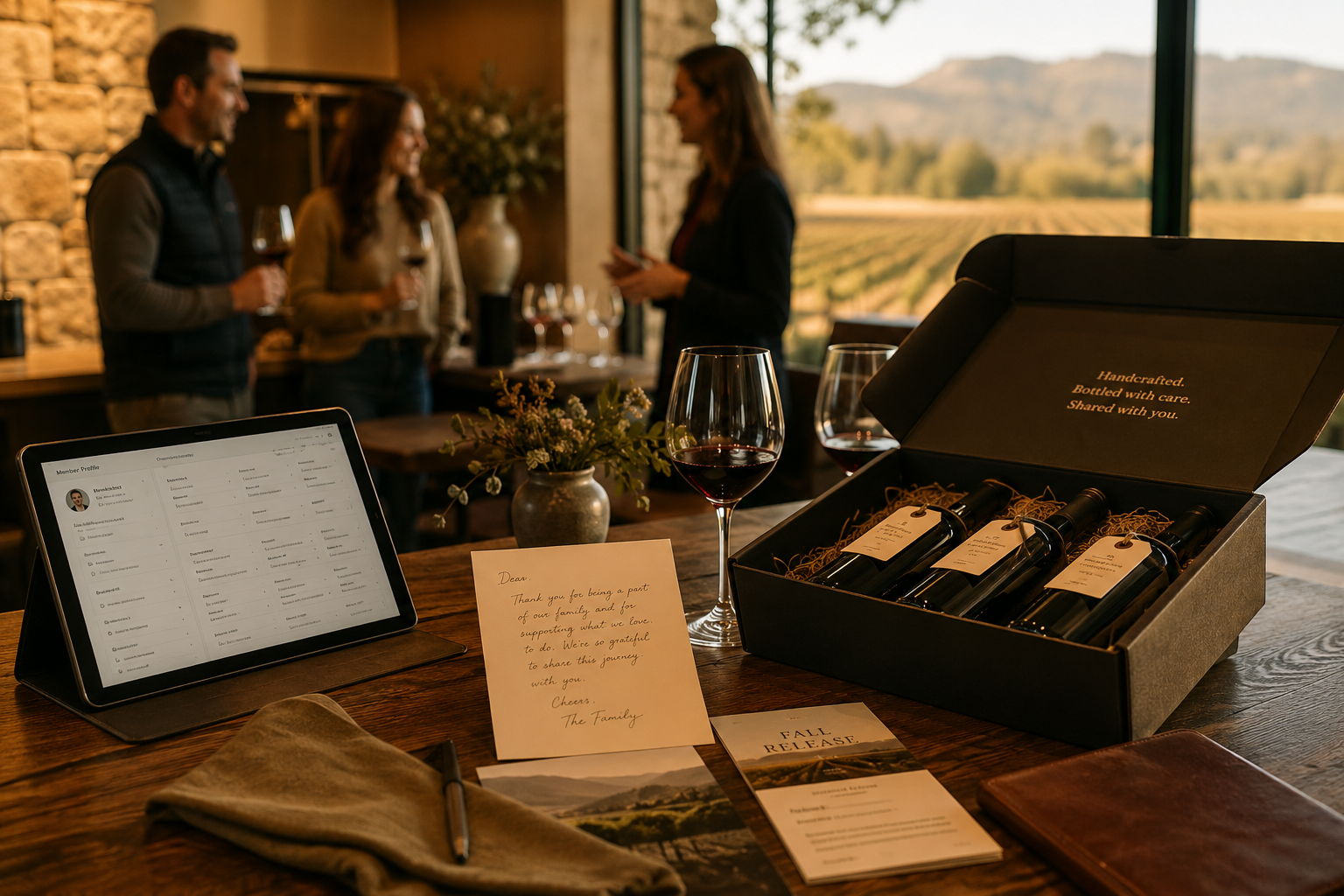
1 min read
Most wineries assume wine club churn is happening because consumer behavior changed.
1 min read
Introduction: The Power of Club Loyalty

1 min read
Timing Is EverythingThe difference between a good holiday season and a great one often comes down to timing — and timing starts with a plan. ...