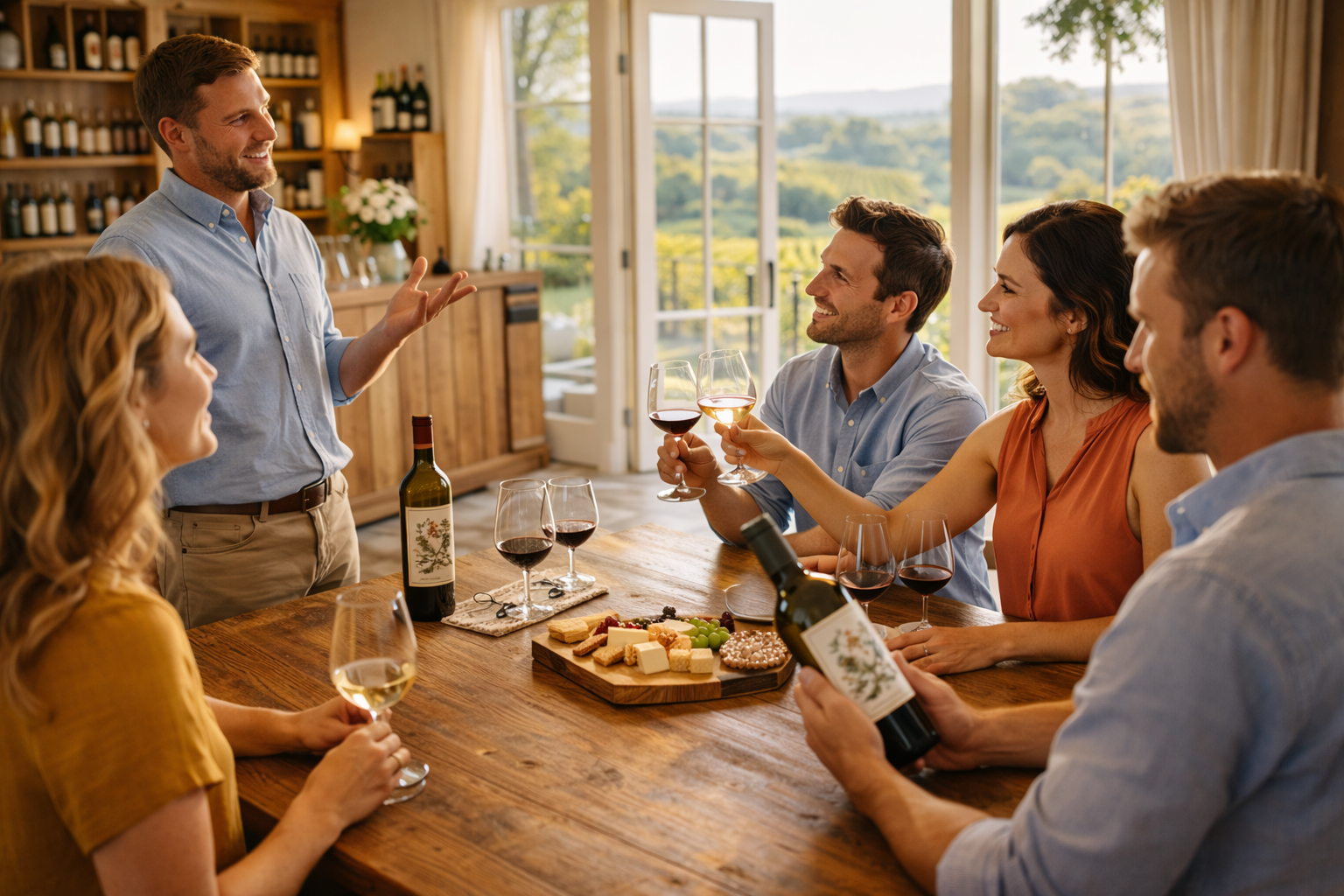
A great tasting room visit is one of the most powerful moments in the wine business.

Guests come for many reasons. Some are exploring wine country for the first time. Others are celebrating something special. Many are simply curious about the winery they passed on the road.

What they all have in common is this: that visit is an opportunity. Not just to sell a bottle or two, but to begin a relationship that could last for years.

The wineries that thrive in today’s direct-to-consumer world understand this well. They design their tasting room experience with intention, thinking about what happens before the visit, during the visit, and long after guests return home.

When those pieces come together, a single tasting can grow into something much bigger.

Mapping the Winery Guest Journey

Every guest moves through a series of moments when they interact with your winery.

It might begin when they discover your website while planning a trip. It could start with a recommendation from a friend or a hotel concierge. Eventually they arrive at your tasting room, enjoy the wines, and head home with memories of the visit.

That path is often called the guest journey.

For wineries, mapping that journey helps identify where relationships begin and where they can grow. The goal is not to control every step, but to make each moment feel welcoming and connected.

A typical winery guest journey might include:

  • Discovering the winery online or through recommendations
  • Booking a tasting reservation
  • Arriving and being greeted by the tasting room team
  • Enjoying the tasting and hearing the winery’s story
  • Purchasing wine or joining the club
  • Receiving follow-up communication after the visit

When wineries look at the experience through this lens, it becomes easier to see how each step contributes to building loyalty.

Following Up After the Visit

One of the most overlooked parts of the guest journey happens after people leave.

Guests often return home excited about the wines they tasted, but that excitement can fade quickly if there is no follow-up from the winery. A simple message can make a big difference.

A thoughtful email thanking guests for visiting helps keep the experience fresh in their minds. It can include links to the wines they enjoyed, photos from the property, or upcoming events they may want to attend.

SMS can also play a helpful role when used carefully. A short message announcing a new release or reminding guests about a seasonal offer can reconnect them with the winery in a natural way.

The key is to keep communication friendly and relevant. Guests should feel like they are hearing from a winery they know, not receiving another marketing message.

Designing Experiences That Encourage Club Membership

Wine clubs are one of the strongest ways to build long-term relationships with customers.

Many club members first discover the winery through a tasting room visit. That moment creates the emotional connection that makes membership appealing.

When guests feel welcomed, engaged, and excited about the wines, the invitation to join the club feels like a natural next step.

Experiences can help encourage this. Staff might share the story of the club during the tasting or offer members-only wines that guests cannot purchase elsewhere. A relaxed conversation about the benefits of membership often works better than a sales pitch.

When done thoughtfully, the club becomes an extension of the tasting room experience. It allows guests to stay connected to the winery long after their visit.

Understanding the Long-Term Value of a Guest

It is easy to measure what happens during a tasting room visit. A guest might buy two bottles or perhaps join the wine club.

What matters even more is what happens over time.

A guest who purchases a single bottle on their first visit might return next year with friends. They might join the club later or order wine online during the holidays. Over several years, that one visit can grow into hundreds or even thousands of dollars in revenue.

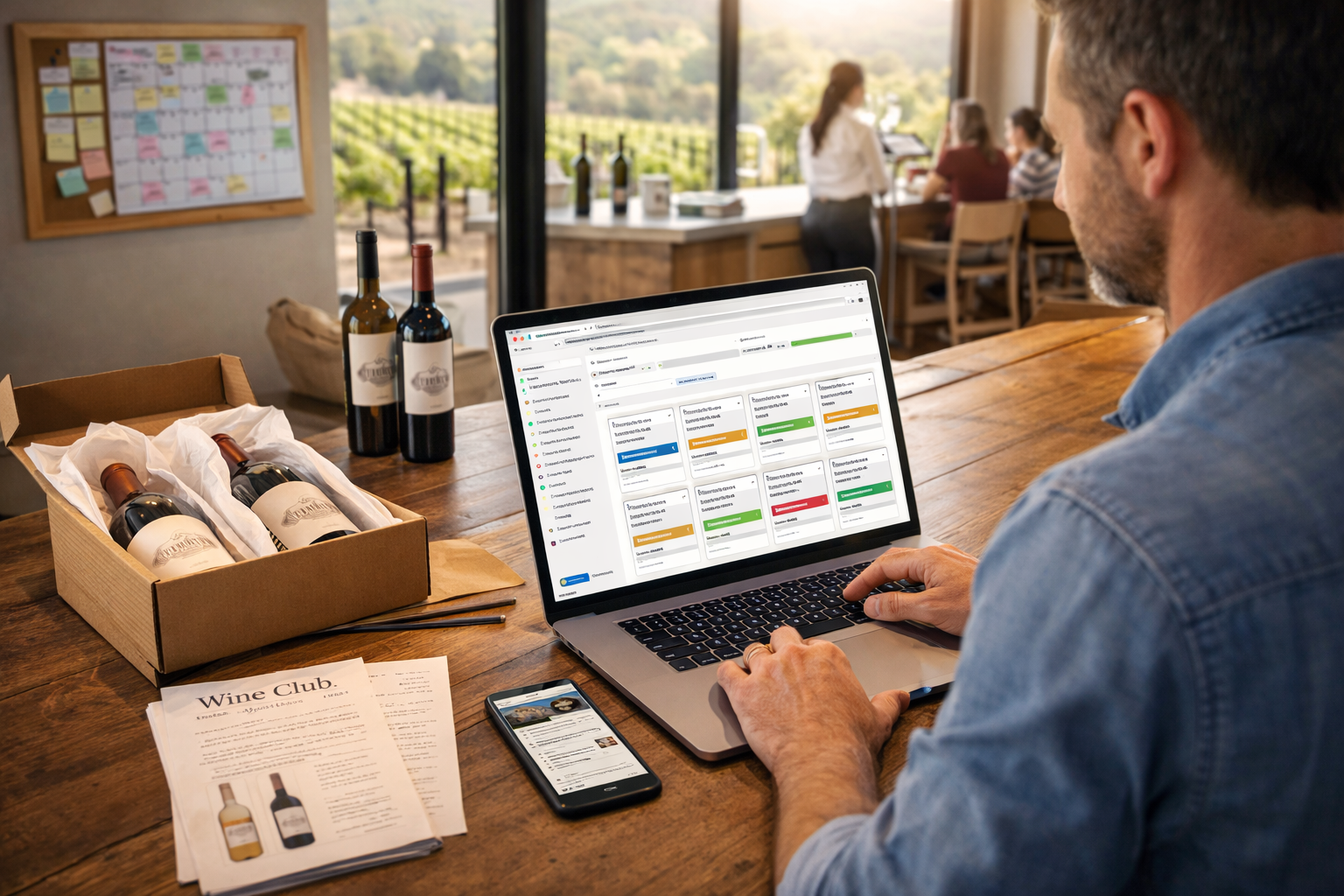
This is why many wineries are beginning to track lifetime value from tasting room guests. CRM systems and point-of-sale tools help connect those early visits with future purchases.

Understanding this long-term value changes the way wineries think about hospitality. Every guest becomes someone worth investing in, not just a single transaction at the bar.

Relationships Are the Heart of Direct-to-Consumer Wine

Wine has always been about connection. It connects people to a place, to a story, and often to the people who made the wine. The tasting room is where those connections begin.

When wineries design their guest journey with care, every visit becomes an opportunity to build something lasting. A warm welcome, a memorable tasting, and thoughtful follow-up can turn a casual visitor into a loyal supporter of the brand.

Over time, those relationships become the foundation of a strong direct-to-consumer business, because in the end, great wineries do more than pour wine.

They create experiences people want to return to again and again.