1 min read
Which Wine Club Subscription Software Boosts Recurring Revenue for Small Wineries?
For small wineries, recurring revenue is one of the most valuable assets a business can build.
5 min read
Marketing : July 13, 2026
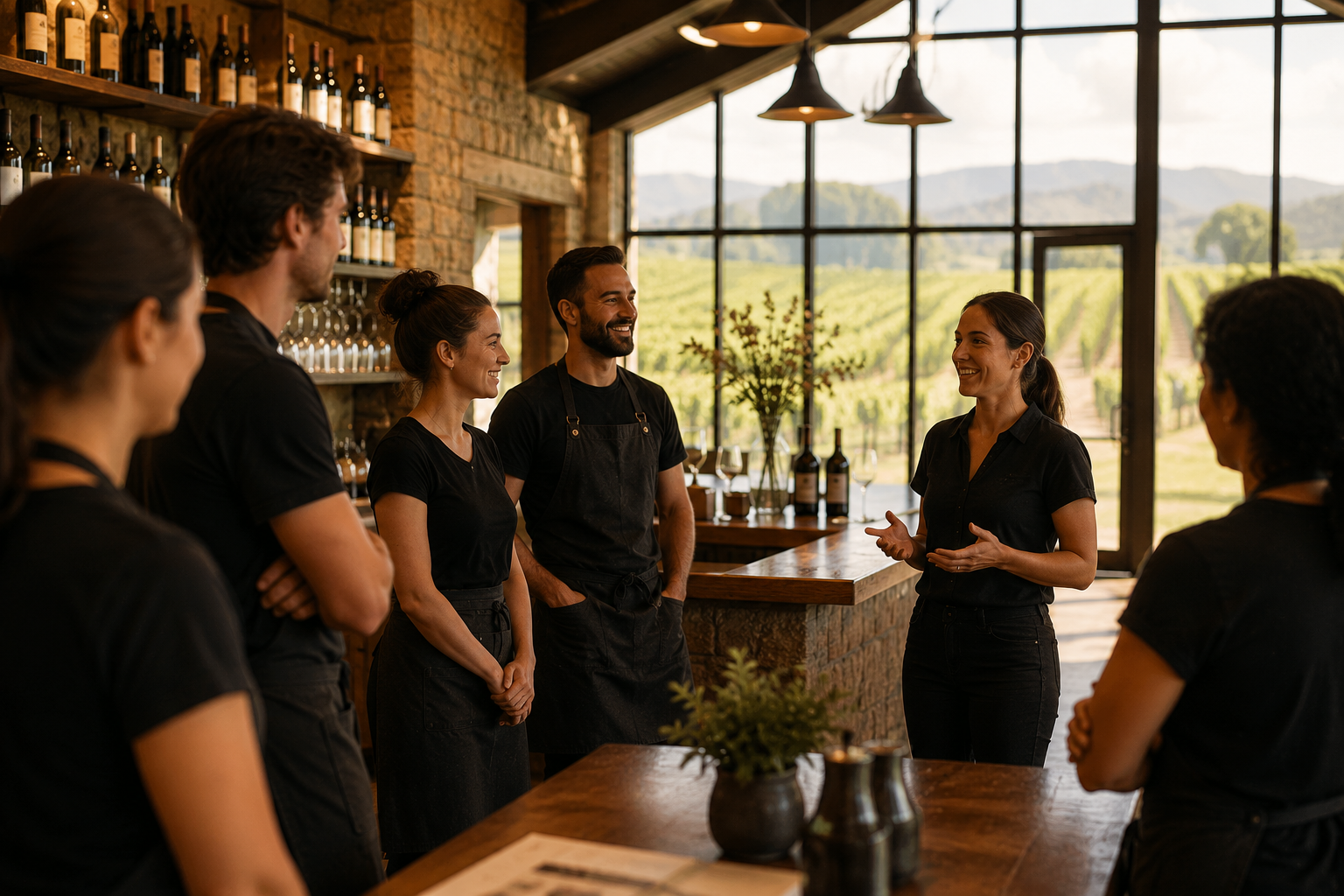
When winery leaders talk about employee retention, the conversation often begins with compensation.
Higher wages + Better benefits + More perks. But while compensation certainly matters, it rarely tells the entire story.
In today's labor environment, many talented tasting room employees aren't leaving because they found another dollar per hour somewhere else. They're leaving because their daily work experience has become frustrating, exhausting, or unnecessarily difficult.
The reality is that retention is increasingly influenced by factors that have little to do with payroll and everything to do with how employees experience their jobs every day.
Do they have the tools they need to succeed?
Do they feel confident in their role?
Can they deliver the level of hospitality guests expect?
Or do they spend much of their day fighting systems, searching for information, and navigating processes that create more frustration than value?
The wineries that consistently retain great employees are often the wineries that make it easy for those employees to succeed.
The wine industry has always relied on people.
Technology may support the experience, but hospitality remains deeply human. Guests remember the employee who welcomed them by name, recommended the perfect bottle, remembered their wine club preferences, or made them feel like a valued part of the winery's community.
Those interactions create loyalty, but creating those interactions becomes difficult when employees are overwhelmed by operational challenges.
Today's workforce has different expectations than it did a decade ago. Employees want meaningful work. They want clarity. They want confidence in their ability to perform well. Most importantly, they want to spend their time doing the parts of the job they actually enjoy.
Very few people enter the wine industry because they are passionate about updating spreadsheets, searching through disconnected systems, or correcting administrative errors.
They join because they enjoy wine, hospitality, storytelling, and building relationships.
When those activities become overshadowed by operational friction, employee satisfaction often begins to decline.
Burnout is often associated with long hours, understaffing, or demanding workloads, but in many wineries it develops from something far less obvious and far more common: daily frustration.
Consider a tasting room associate helping a guest who asks about a previous purchase or wine club shipment. The information exists somewhere within the winery's systems, but finding it is another matter entirely. Purchase history may live in one platform, wine club details in another, reservation information somewhere else, and customer notes in yet another location. Instead of focusing on the guest standing in front of them, the employee finds themselves navigating multiple screens, searching records, and trying to assemble a complete picture of the customer from scattered pieces of information.
What should have been a simple, personalized interaction suddenly becomes more complicated than it needs to be. The guest waits while information is located. The employee feels pressure to find answers quickly. The conversation loses some of its natural flow, and an opportunity to create a memorable experience becomes an exercise in managing systems.
When these situations occur occasionally, they may seem like minor inconveniences. When they happen dozens of times a week, however, they begin to shape an employee's entire experience at work. Small frustrations become recurring obstacles. Simple tasks become unnecessarily complicated. Confidence begins to erode as employees spend more time working around technology than using it to support their role.
Eventually, some employees begin looking elsewhere, not because they no longer enjoy hospitality or working with guests, but because the operational environment makes it increasingly difficult to do the parts of the job they love most. The issue isn't the employee, and it certainly isn't the guest. The issue is that employees are spending valuable time performing work that modern systems should be handling for them.
One of the most overlooked drivers of employee retention is confidence.
Employees who feel confident in their role are naturally more comfortable engaging guests, recommending wines, enrolling club members, answering questions, and creating the kind of memorable experiences that keep visitors coming back. They tend to enjoy their work more, perform at a higher level, and approach guest interactions with a sense of ease that guests can immediately recognize.
That confidence doesn't happen by accident. More often than not, it comes from having access to the right information at the right moment.
When a tasting room associate can quickly see a guest's purchase history, wine club status, reservation details, preferences, and previous interactions, conversations become more personal and more natural. Instead of spending valuable time searching for answers or asking guests to repeat information they've already provided, employees can focus their attention where it belongs: building relationships and creating a welcoming experience.
The opposite is equally true. When information is difficult to locate or spread across multiple systems, uncertainty begins to creep into even routine interactions. Employees hesitate before answering questions. They second-guess recommendations. They worry about overlooking important details or making mistakes in front of guests. What should be simple conversations become more stressful than they need to be.
Over time, that uncertainty takes a toll. Employees become less comfortable, less engaged, and less likely to feel successful in their role. Job satisfaction begins to decline, not because they lack talent or motivation, but because they lack the tools and information needed to perform at their best.
This is why the strongest winery teams are not always the ones with the most experienced employees. More often, they are the teams equipped with systems that provide clear information, support confident decision-making, and make it easier for employees to deliver exceptional hospitality from day one.
Employee retention often begins long before an employee decides whether to stay.
It begins during onboarding.
The first few weeks of employment shape how new team members view their role, their coworkers, and the organization as a whole.
When onboarding is organized, structured, and supported by intuitive systems, employees gain confidence quickly. They learn faster. They engage guests sooner. They become productive members of the team in less time.
When onboarding is complicated, however, the opposite occurs.
New employees are handed multiple logins, disconnected systems, undocumented processes, and informal workarounds that only experienced team members understand.
Instead of learning about wine, hospitality, and guest engagement, they spend much of their time trying to understand how work actually gets done.
The longer it takes employees to become comfortable, the more likely they are to become frustrated.
The wineries that retain employees well typically make onboarding simple, repeatable, and easy to follow.
Many wineries respond to performance challenges by adding new procedures.
More forms.
More checklists.
More processes.
More reports.
Unfortunately, adding complexity rarely improves performance, but providing better information often does. Imagine a tasting room associate who can instantly see:
Instead of asking repetitive questions, they can have informed conversations.
Instead of searching for information, they can focus on hospitality.
Instead of feeling overwhelmed, they feel prepared.
The goal is not to give employees more tasks, the goal is to remove barriers that prevent them from doing their jobs effectively.
Retention is often discussed as a culture issue.
Culture certainly matters.
But culture is influenced by more than team lunches, staff events, and mission statements.
Culture is shaped by what employees experience every day.
Do they feel supported?
Can they solve problems efficiently?
Do they have confidence in their tools?
Can they deliver great service without unnecessary obstacles?
Employees thrive in environments where success feels achievable.
When systems work, information is accessible, and processes are clear, employees can focus on what attracted them to the wine industry in the first place: creating memorable experiences for guests.
The wineries that consistently retain top talent understand this principle. They invest not only in people, but also in the systems and processes that support those people.
Because retaining great employees isn't simply about convincing them to stay.
It's about creating an environment where they want to stay.
Finding talented tasting room employees has become increasingly difficult. Keeping them can be even harder.
While compensation will always play an important role, employee retention is increasingly influenced by something many wineries can control today: the quality of the employee experience.
Employees want to feel confident. They want to feel successful. They want to spend their time serving guests, not managing operational inefficiencies.
The wineries that focus on reducing frustration, simplifying workflows, improving onboarding, and empowering employees with better information often find that retention improves naturally.
Because when employees have the tools and support they need to succeed, they are far more likely to build their future alongside your winery.
Want to create a workplace where employees feel confident, productive, and engaged?
Download our guide, Building a Winery Team That Stays, to learn practical strategies for improving onboarding, reducing operational friction, supporting employee development, and creating an environment where great tasting room employees choose to stay and grow.
Because retaining great people starts with helping them succeed.
1 min read
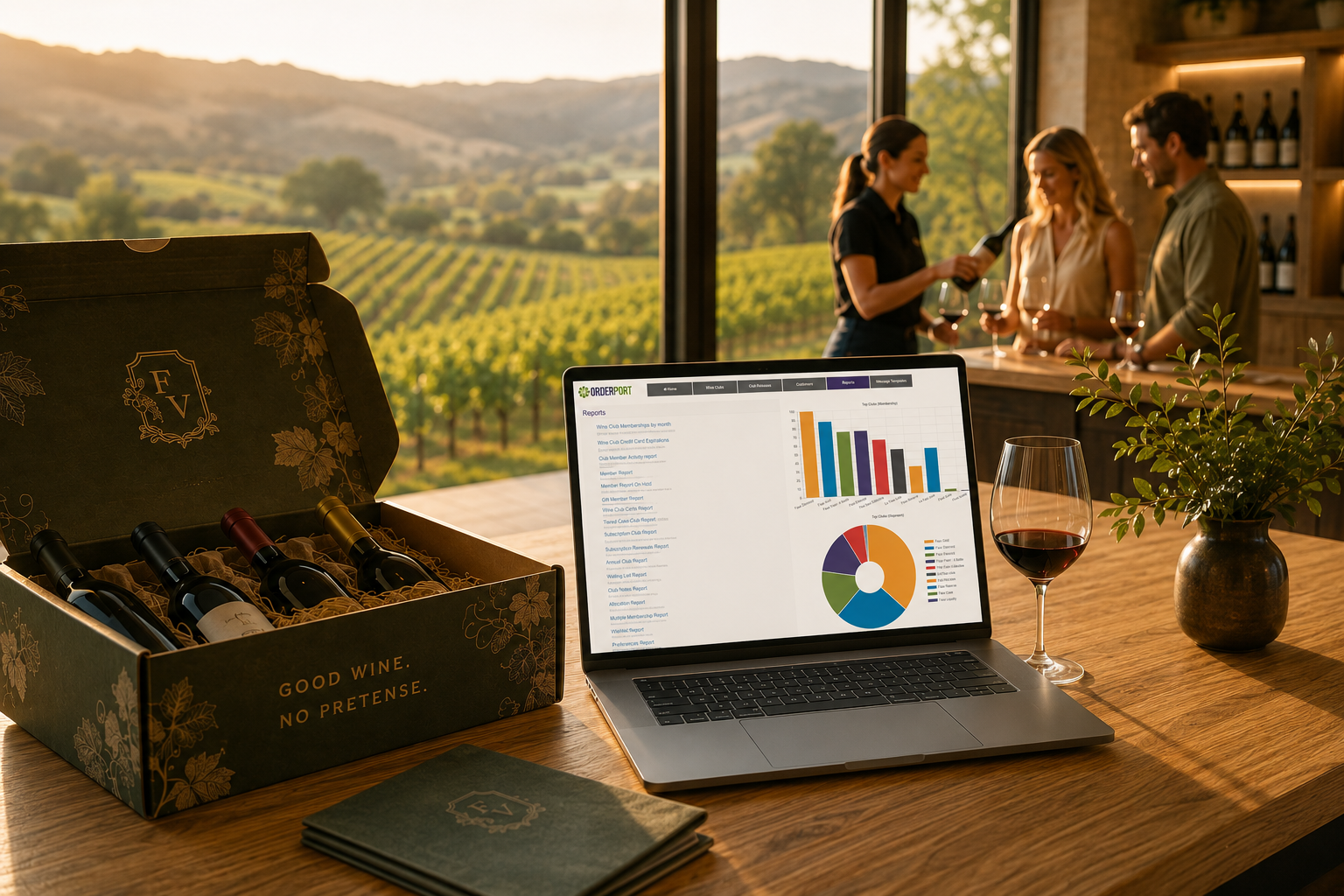
For small wineries, recurring revenue is one of the most valuable assets a business can build.
1 min read
When most wineries first introduce reservations, they often start with a familiar booking platform. It's quick to implement, affordable, and gives...
1 min read
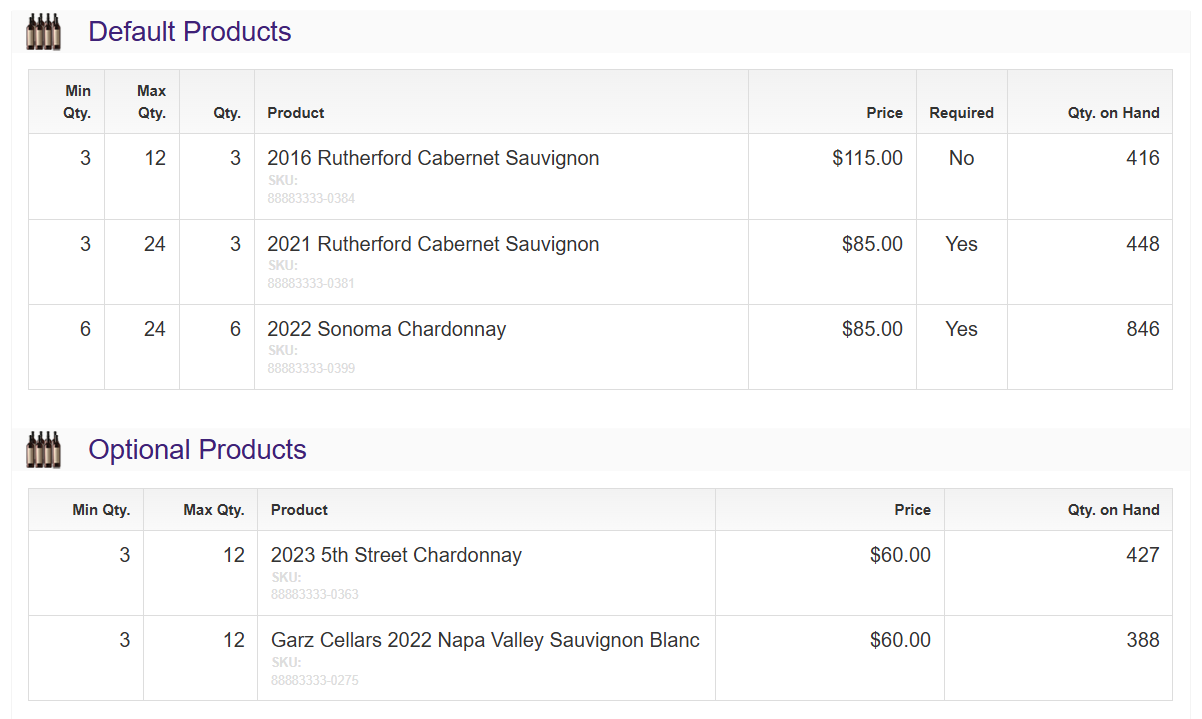
Wine clubs have long been a pillar of winery success—providing dependable recurring revenue, deepening customer relationships, and extending the...